
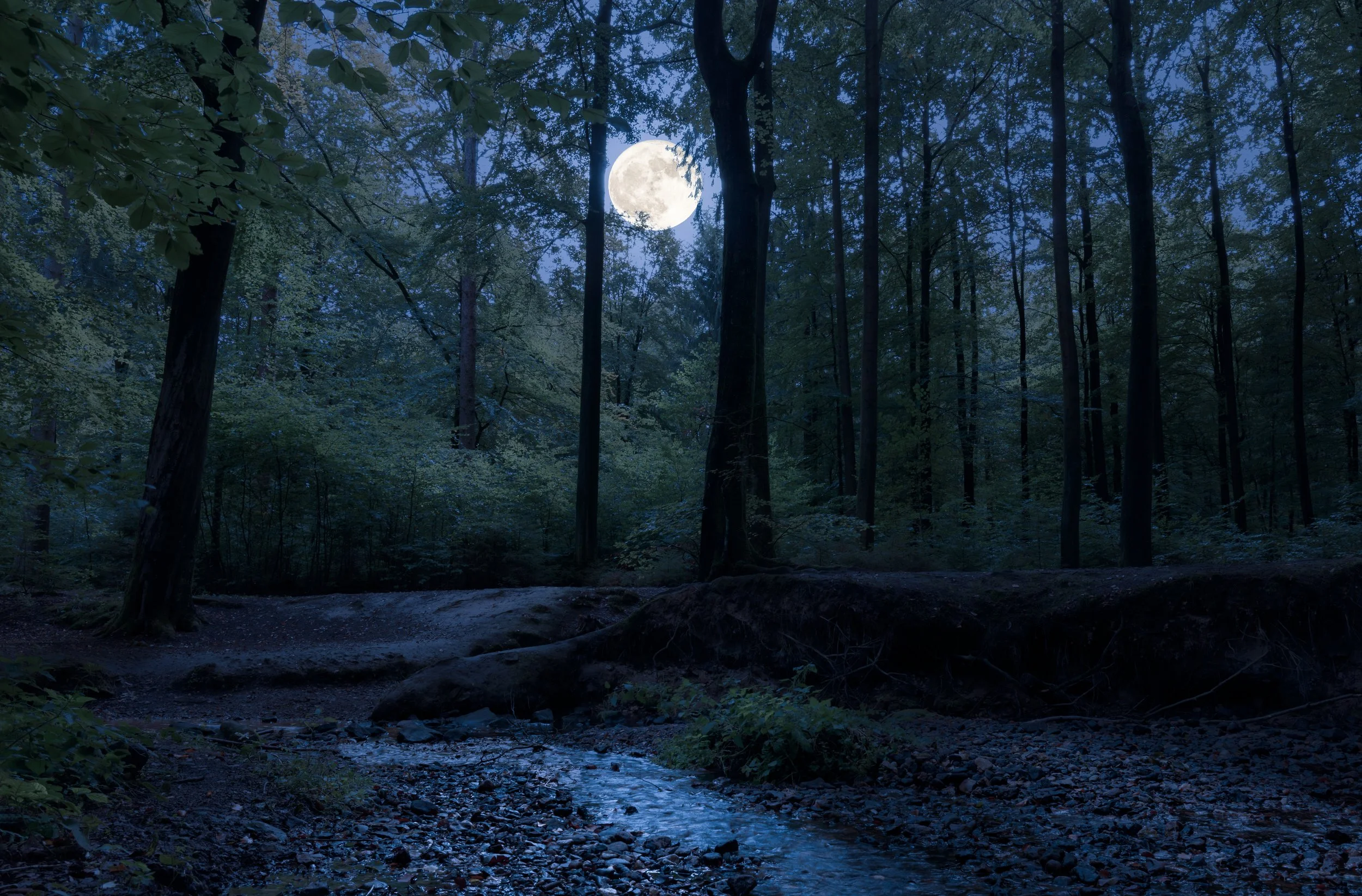
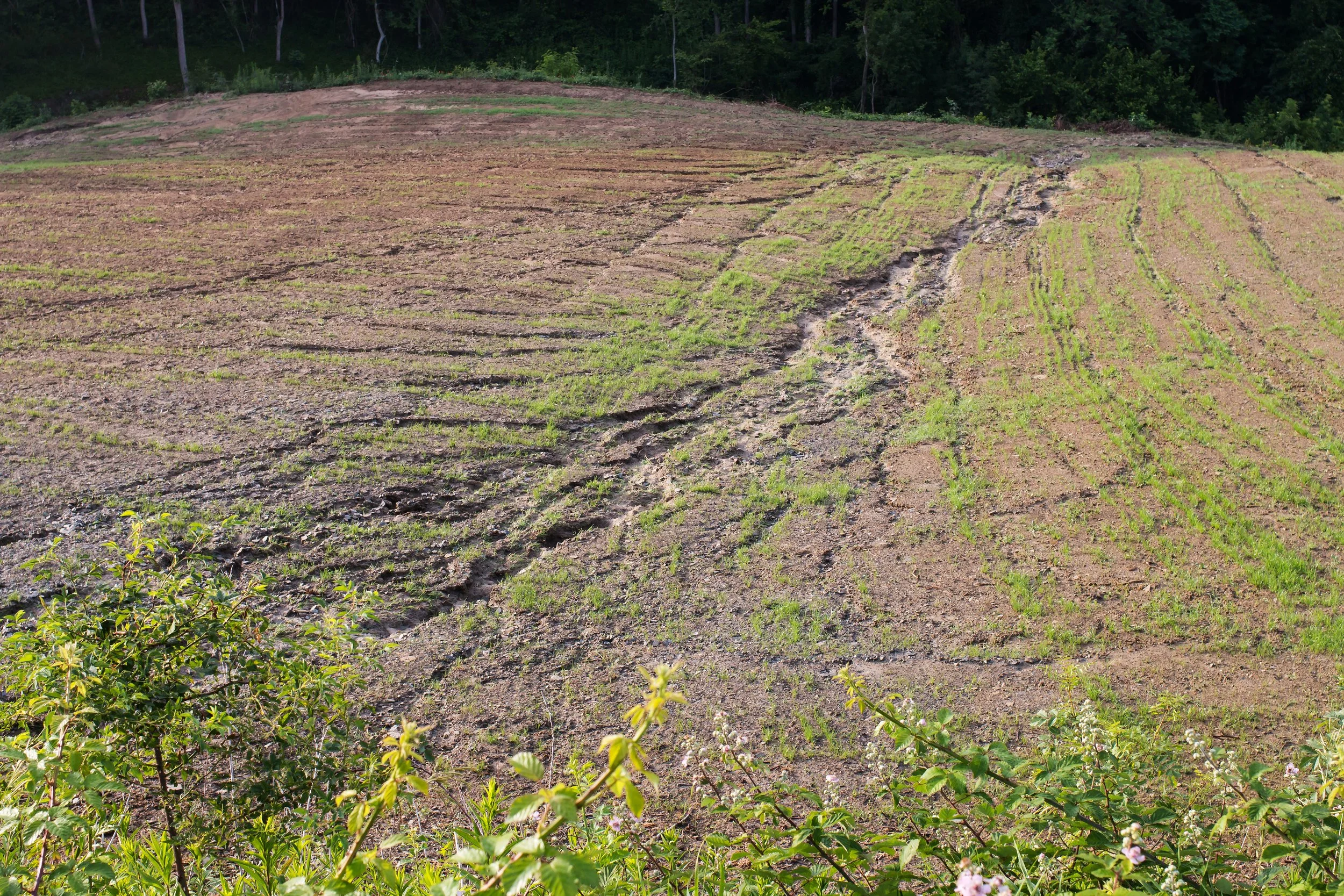

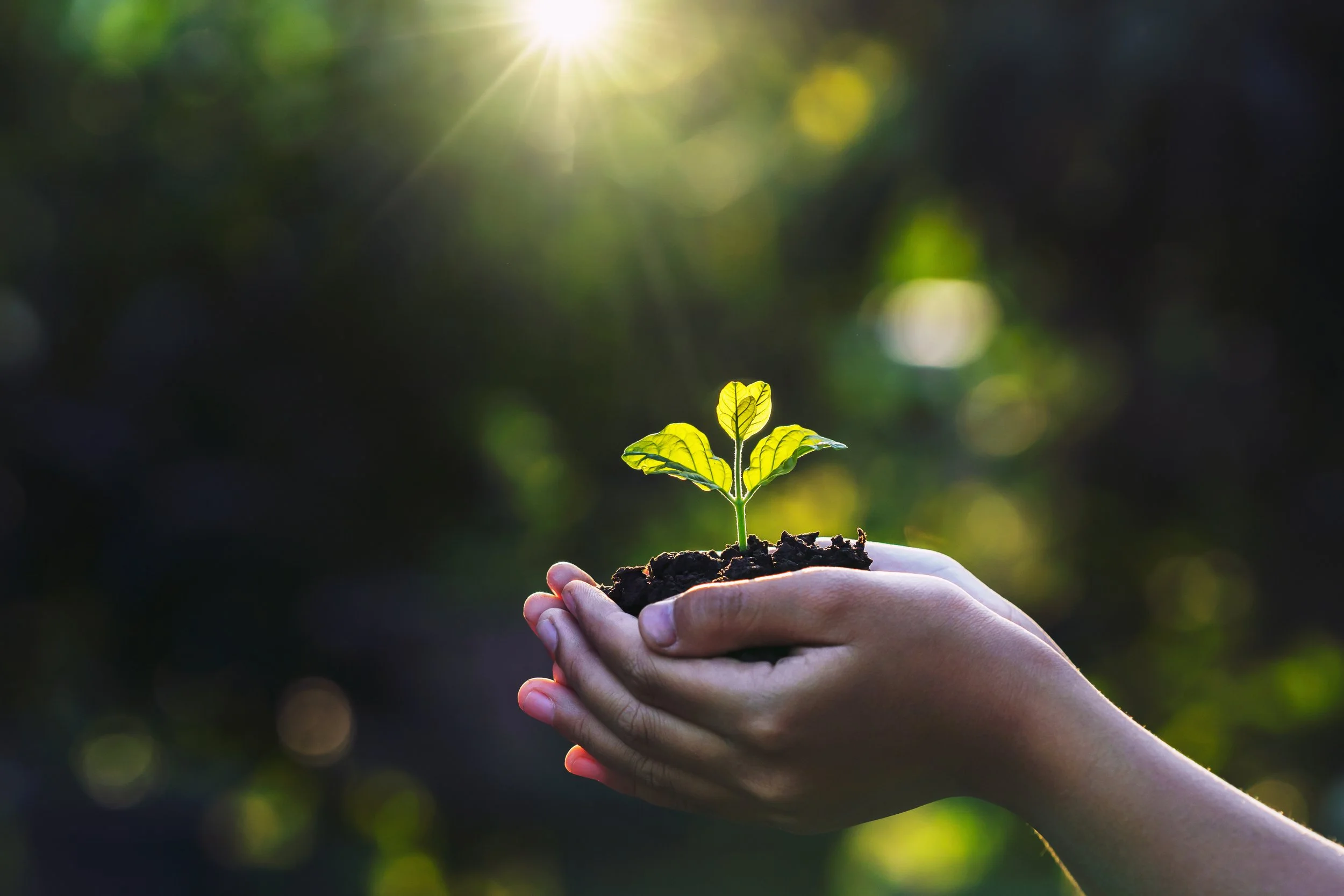

Trees are often key elements in projects that restore degraded or developed land to dynamic green space. Initiatives that remove pavement and revitalize polluted ground create opportunities to plant trees for long-term environmental benefits. In Nashville, which is naturally a wooded place, planting trees throughout our neighborhoods and caring for them is essential to managing the built environment.
Read More
While slugs are often considered pests and snails might be seen as friendlier, these animals both contribute to maintaining local ecosystems, and both have the potential to do some damage in residential yards. In this article on Nashville’s fauna, we’ll examine how snails and slugs play various roles in and around trees, and toward the end, we’ll share some tips on how to manage the gastropod populations in your yard.
Read More
More and more studies are showing the health benefits of mature tree canopies in urban and neighborhood settings. This is great news because it shows that preserving and caring for trees has real impacts on the quality of life for local residents. Here, after going over how trees in the built environment affect our health, we’ll take a look at the opportunities found in Nashville’s canopy for maintaining and improving local well-being.
Read More
The terms “conservation” and “preservation” are sometimes used interchangeably, and either of these strategies may or may not include reforestation efforts. In this article, we’ll explore the similarities and differences between the three concepts, as well as how these different approaches to environmental stewardship are carried out in Nashville by several organizations. Throughout, we’ll see how the Nashville Tree Conservation Corps’ activities span all three realms.
Read More
The “Leave the Leaves” campaign has gained momentum in recent years, so in this article, we’re going to break down why it’s important for fallen leaves to be kept in their home yard. Before decomposing and releasing nutrients for plants to grow, winter leaf cover provides habitats for local wildlife. Toward the end of the article, we’ll share some actionable tips that you can use every autumn to create habitats for Nashville’s wildlife, return nutrients to the soil, and get the most out of your tree’s fallen foliage!
Read More
Among the many wonderful things about trees, one of the most relieving is the knowledge that we can find refuge from the sun under a tall, leafy tree in the heat of summertime. Here, we’ll go over how shade trees make an impact on the climate, which species are sun-loving powerhouses of shade production, and how we benefit from them in multiple ways throughout the warmest months of the year.
Read More
Some plants signal spring’s arrival by flowering in the cool months of March and April, but there are several Nashville trees that prefer the warmer half of spring. Here, we’ll go over five of those trees that extend the springtime floral show right up to summer.
Read More
The urban heat island effect occurs when a city’s temperature is significantly higher than the suburban and rural areas surrounding it, which can have severe impacts on human comfort and health. However, urban heat can be diminished by planting more trees and maintaining green spaces throughout the built environment. Here, we’ll go over how heat islands work, what effects increased temperatures can have, and what kind of difference trees and other plants can make to mitigate the hazardous warming effect.
Read More
Trees provide many ecosystem benefits in every season of the year! Read on to learn how trees help maintain our environments during winter.
Read More
Trees are an effective public health resource that not only improve environmental health but the health of individuals and communities as well. By filtering the air and releasing oxygen, trees play a major role in keeping local air breathable, particularly in cities where pollution can be concentrated. In the worst of cases, poor air quality can restrict people from spending time outdoors or result in long-term health conditions like asthma or other diseases. Reducing the amount of pollution that’s released into the air is an important way to manage air quality, but planting and maintaining lots of tree-filled green space is just as important to the health of our communities.
Read More
Keeping trees in place is as important as planting new ones. Mature trees do much more work than young saplings can, and they are powerhouses of ecosystem services. While planting new trees is an exciting activity, there are many reasons to save healthy, established trees from being cut down. In this article, we’ll go over the nine main benefits of saving trees for our neighborhoods and our health.
Read More
The bur oak tree is a favorite of ours because it’s a robust native species that has all the best qualities you want in a tree, with very few challenges!
Read More
Learn how planting trees along roadsides, in downtown areas and in your own yard can help improve air quality and reduce pollution.
Read More
Learn how a tree’s root system can absorb water to manage stormwater runoff and what communities and homeowners can do to plant the right trees for the job.
Read More
Trees play a major role in cooling the environment, and they can make a big difference in your home cooling costs as well. Learn how you can benefit from a shade tree!
Read More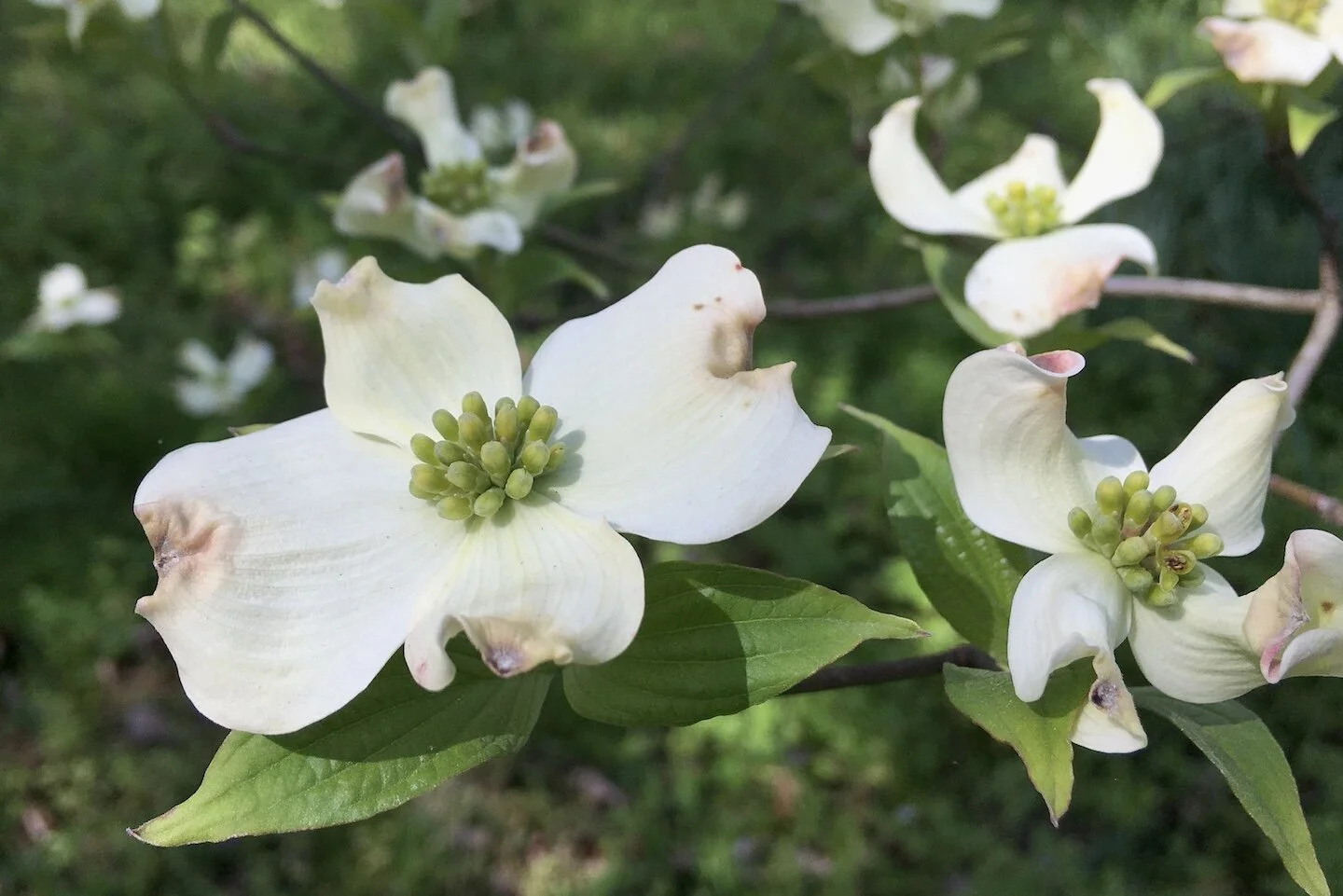
Planting a native tree creates habitat for birds, bees and butterflies and helps to build a healthy ecosystem.
Read More