
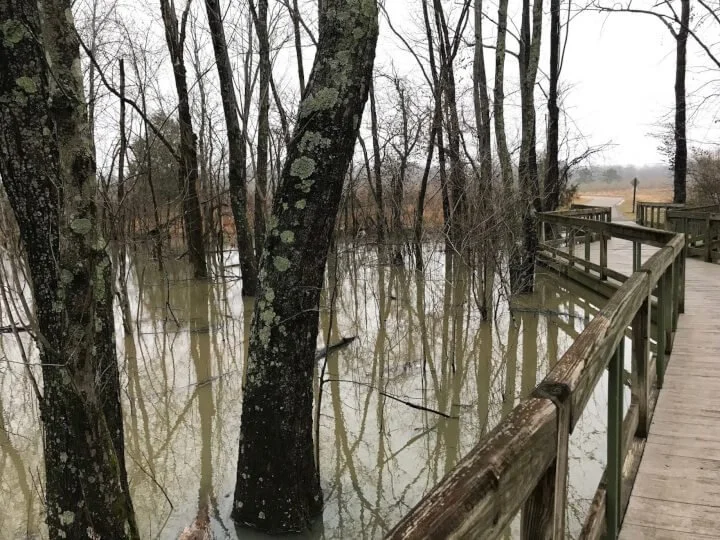
Tennessee's wetlands are under attack by deregulation and urban sprawl, which have regional effects as local ecosystems are degraded. Current state-level deregulation regarding best wetland management practices may encourage dangerous levels of unmonitored development that threaten the environmental health and livability of both rural and urban areas across Tennessee. Flooding, excess heat, and loss of wildlife are a few of the hazards that opportunistic development creates.
Read More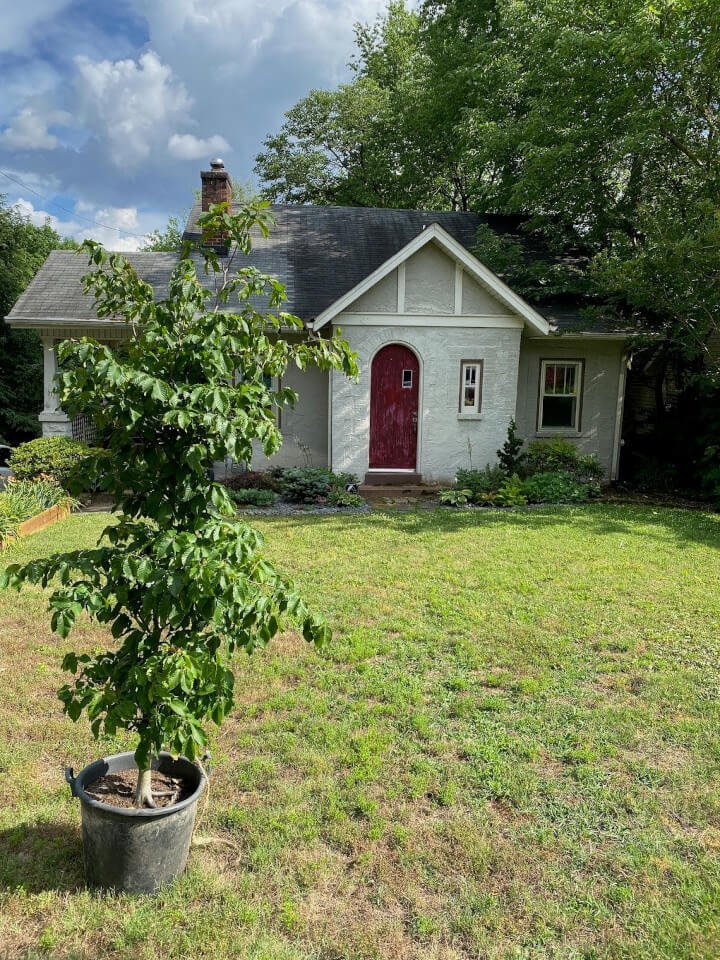
Every residential yard is a landscape of its own, where trees are pillars of stability within each property’s particular ecosystem. In this article, we’ll take a look at the various ways that trees interact with other plants, both competitively and collaboratively. Throughout, we’ll consider how to maintain these interactions in balance to keep your Nashville yard in its healthiest and most beautiful condition.
Read More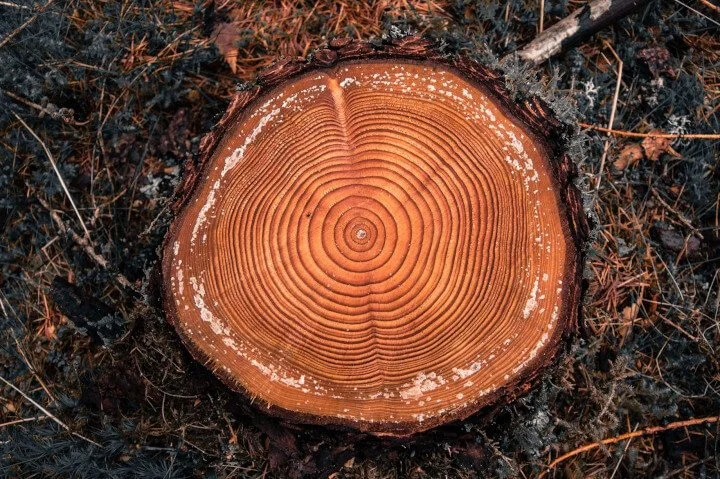
It’s well-known that tree rings show a specimen’s age, but they also contain other kinds of historical data about a tree’s lifetime and growing environment. In this article, we’ll go over how tree rings form, what they can tell us, and how that information can help us best manage Nashville’s individual trees and collective canopy.
Read More
As winter gives way to spring, certain flowering trees awaken earlier than others. In this article, we’ll highlight six blossoming trees that can be found and appreciated across Nashville in the first half of spring.
Read More
In nature, trees reproduce by pollination, but nursery cultivators can propagate a tree by graft to select for particular characteristics that might otherwise get lost in the natural reproductive process. In this article, we’ll examine why grafting can be so important for trees in urban, neighborhood, and orchard settings, including which tree species are most frequently propagated by grafting. Awareness of grafted tree varieties can help residents make informed choices when planting trees in the Nashville landscape!
Read More
During the spring season of renewal, some trees reproduce with the help of wildlife, while others need only the wind to carry their pollen around the landscape. In this article, we’ll take a look at how trees of various species each form their particular type of seed. Knowing a tree’s behavior can help Nashville residents make decisions about planting locations and long-term yard maintenance requirements so that mature trees can be as happy and productive as possible within the built environment.
Read More
The scaly and slimy creatures that crawl and slither across the ground can be found living in, on, and around trees throughout a canopy ecosystem. In this article on Nashville wildlife, we’ll go over how reptiles and amphibians contribute essential services to the maintenance and balance of a wooded area, whether in the wilderness or in your backyard. We’ll also consider habitat loss and share some tips on how residents can support amphibian and reptilian populations at home.
Read More
The smallest creatures that live in trees are also the most abundant: insects. These animals perform a wide range of ecosystem services that help every tree specimen thrive within the wider canopy. In this article on Nashville wildlife, we’ll take a look at the important role of insects and other invertebrates in plant reproduction and the transfer of nutrients across the food web, as well as how these tiny contributions have big results across entire ecosystems. Toward the end, we discuss how residents can apply this knowledge to support the trees and wildlife on your property and in your community.
Read More
Whether they live in trees, burrow under them, or use them to manage their environment, mammal niches both large and small take up space in wooded ecosystems. In this article on the fauna of Nashville’s canopy, we’ll explore the range of mammal relationships with trees and the local food web, also taking a look at how humans (we’re mammals, too!) fit into the mix.
Read More
For birds, tree canopies provide essential habitats, and for trees, birds provide a range of supportive services that help maintain them throughout their lives and across generations. In this article on the fauna of Nashville’s canopy, we’ll explore the deep connections that exist between birds and trees. We’ll also share some tips on selecting trees to attract birds to your own yard to help support the local bird population.
Read More
National Pollinator Week 2024 is June 17 to 23, and we at the Nashville Tree Conservation Corps are so grateful for those busy little creatures! In this article, we’ll profile the bees, butterflies, and other wildlife species that move pollen from flower to flower and plant to plant. We’ll also share some information on a delightful Tennessee state program that manages pollinator environments along roadways, and we’ll provide some tips on what residents can do at home to create yards and gardens to attract pollinators.
Read More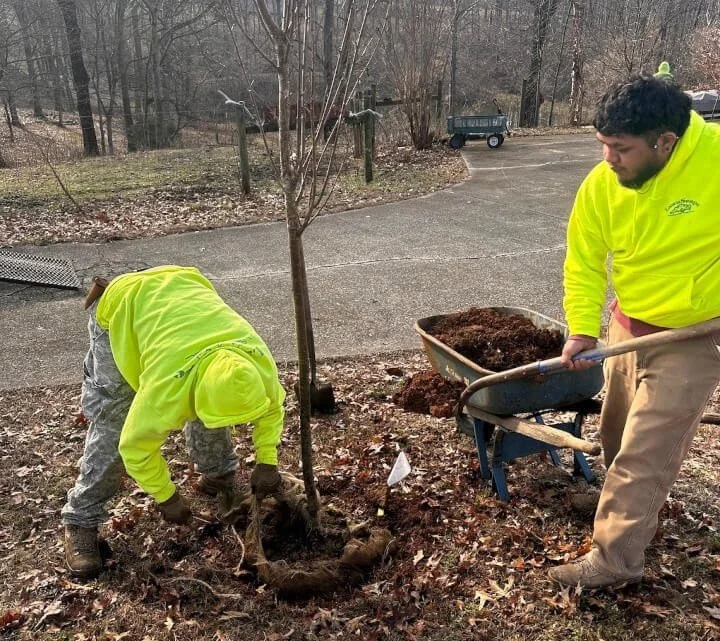
A city’s trees are some of its most valuable assets! They provide a range of fundamental ecosystem services, offset the downsides of the built environment, and add to the beauty of an area. Here, we’ll go over how and why individuals and groups make a big difference in the quality and sustainability of Nashville’s canopy, as well as some tips on getting involved in tree conservation efforts.
Read More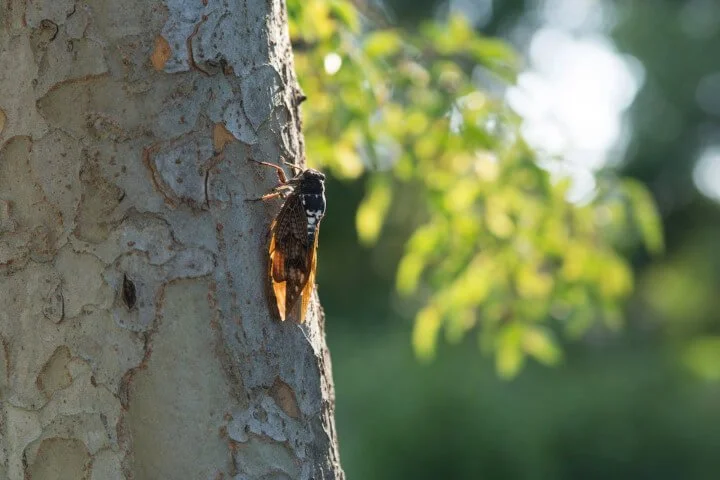
2024 is a special year for the cicada population, as the Eastern United States is experiencing multiple waves of cicada emergences! In addition to the yearly late-summer cicadas, Nashville will be host to a brood of periodical cicadas over springtime, from May until July, roughly. Here, we’ll go over some of the basics on cicadas and what they mean for Nashville’s canopy.
Read More
For the Eastern United States, springtime in 2024 is going to be unique! Two broods (or breeding groups) of periodical cicadas will emerge. Although Nashville will only see one of these two groups, the insects will be in much larger numbers than the annual cicadas that we hear in summer every year. If you’re located in Wilson or eastern Davidson counties, you may want to avoid making outdoor plans between May and July of this year, when the cicadas will be out in full force for several weeks.
Read More
Professional tree appraiser Marty Shaw explains why the mature tree in your yard may be worth far more than you think.
Read More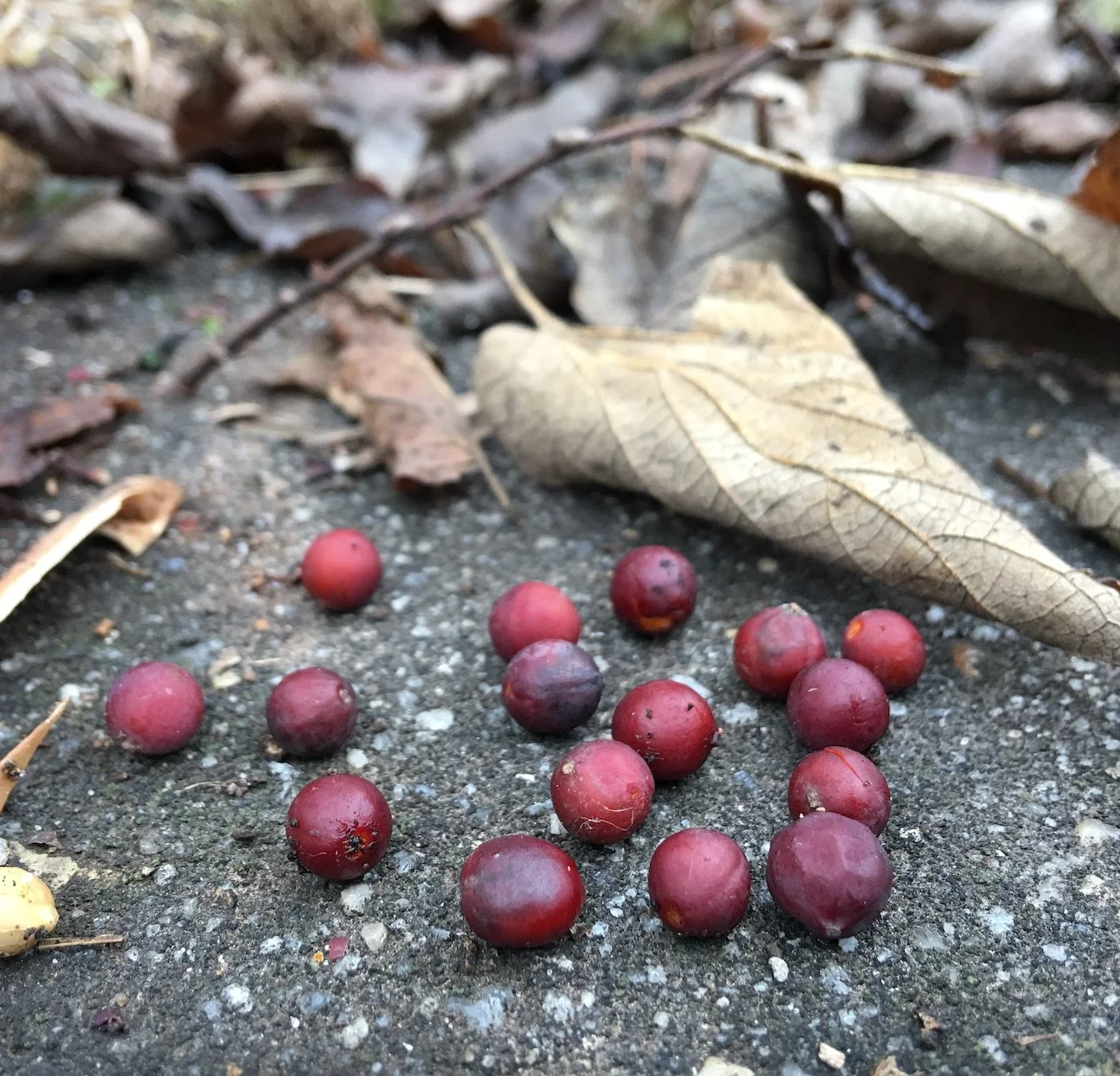
From evergreens to oaks to hackberries, trees provide food and shelter for many creatures all winter long. By planting a native tree, you can support our local ecosystem and the birds and small animals that depend on it.
Read More
Cicadas will be visiting Wilson County and eastern Davidson County, but Nashville should be clear for 2021. Read on to learn why 2024 will be another story!
Read More