
Ice Storms in Nashville: What to Know for Winter Tree Safety
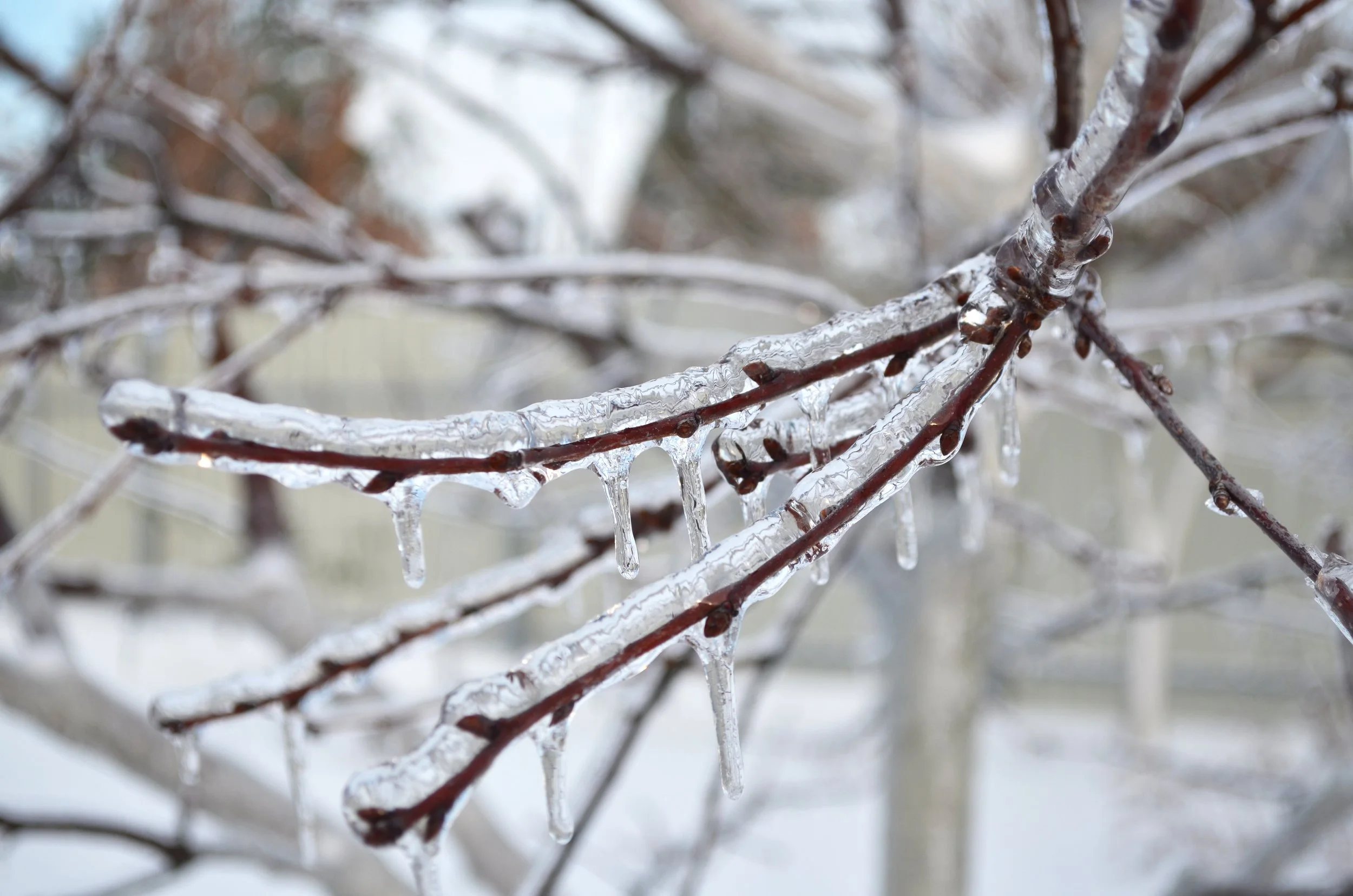
After seeing the damage caused to Nashville’s neighborhood trees during Winter Storm Fern, we reached out to one of our Master Arborists for advice on how residents can manage fallen branches or limbs following an ice storm. Here, we’ll share his reply, as well as some tips on managing trees for safety and resilience in extreme weather. We hope that the NTCC community has remained safe and warm, and are wishing you all a quick return to power and heat.
Advice From an Arborist
ISA Board Certified Master Arborist and Nashville Tree Conservation Corps Board Member Bo Arrington shared some guidance with us on dealing with the fallout from an ice storm:
“I would definitely tell people to be safe if they are doing their own cleanup, and if they need to hire someone, please be patient. There is widespread damage and every tree service’s phone is ringing off of the hook right now.
If a fallen tree or branch is on a structure, start an insurance claim ASAP. If there was significant damage to a tree, consider having a tree risk assessment qualified (TRAQ) arborist come to do a formal assessment.”
Significant ice damage that warrants a TRAQ arborist typically includes:
Large broken or hanging limbs (especially over targets like houses, roads, or play areas).
Major cracks or splits in the trunk or at branch unions.
Noticeable lean or root lifting after ice load.
Co-dominant stems (two or more “main” trunks) pulled apart.
Newly exposed decay.
A certified arborist will be able to advise on next steps based on the tree’s condition. If the damage is severe and the tree is unsafe or thoroughly damaged, removal may be required. In other cases, pruning may be enough, while tree support systems like cables or braces might be able to save a tree by providing structural support following the storm impact.
Nashville Emergency Services
When a tree or heavy tree debris falls onto a house, breaks a power line, or causes injuries, call 911. Emergency services should also be contacted if a fallen tree or large debris is blocking the roadway or driveway. Learn more about the essential local contacts for electrical, utility, and non-emergency public and private debris cleanup services in our article on Nashville’s Emergency Tree Services.
What to Do if There Is Property Damage
If a tree or its limbs fall onto a building or property, document the damage by taking photos to support your claim submission, and contact your insurance provider ASAP. Most home insurance plans cover tree damage, including removal of debris and repairs.
Read our other articles, “A Tree Falls in Your Yard: What Now?,” and “Homeowners Insurance and Trees,” for more on these topics.
Maintaining Trees for Storms
In urban areas, where trees are often isolated and exposed to open-air winds, specimens should be pruned to be sturdy in the pressures of storms, whether wind or ice.
Check out our article, “Trees and Wind,” to learn about how trees naturally withstand high winds and powerful storms, and how arborists shape trees over time to stand resiliently in turbulent weather.
Trees in Winter Conditions
Loss of limbs or uprooting are just two of several cold-related dangers for trees during winter. Freezing temperatures can damage trunks by causing large cracks from moisture expansion, and winter drought can dehydrate trees from a lack of accessible water. Learn more about these and other cold-weather conditions in our article, “Winter Tree Problems.”
Post-Storm Assessment and Recovery
This January storm has hit Nashville hard, and at the time of writing, there’s still a lot of uncertainty about the extent of the damage. The loss to our neighborhood canopies is likely going to be significant, and we at the Nashville Tree Conservation Corps are committed to helping the city’s trees recover from the impact. Be sure to sign up for our email newsletter and follow our social media accounts as we assess the needs and share ways to help recover.
If you have an open space in your yard, check out our tree sale to find the right species for your purposes. You can also donate a tree for us to plant, and volunteer to help us plant and maintain trees across the city! We welcome financial donations; as a nonprofit, our work is in large part funded and made possible by tree-conscious residents.