
Planting Trees for Nashville Pollinators
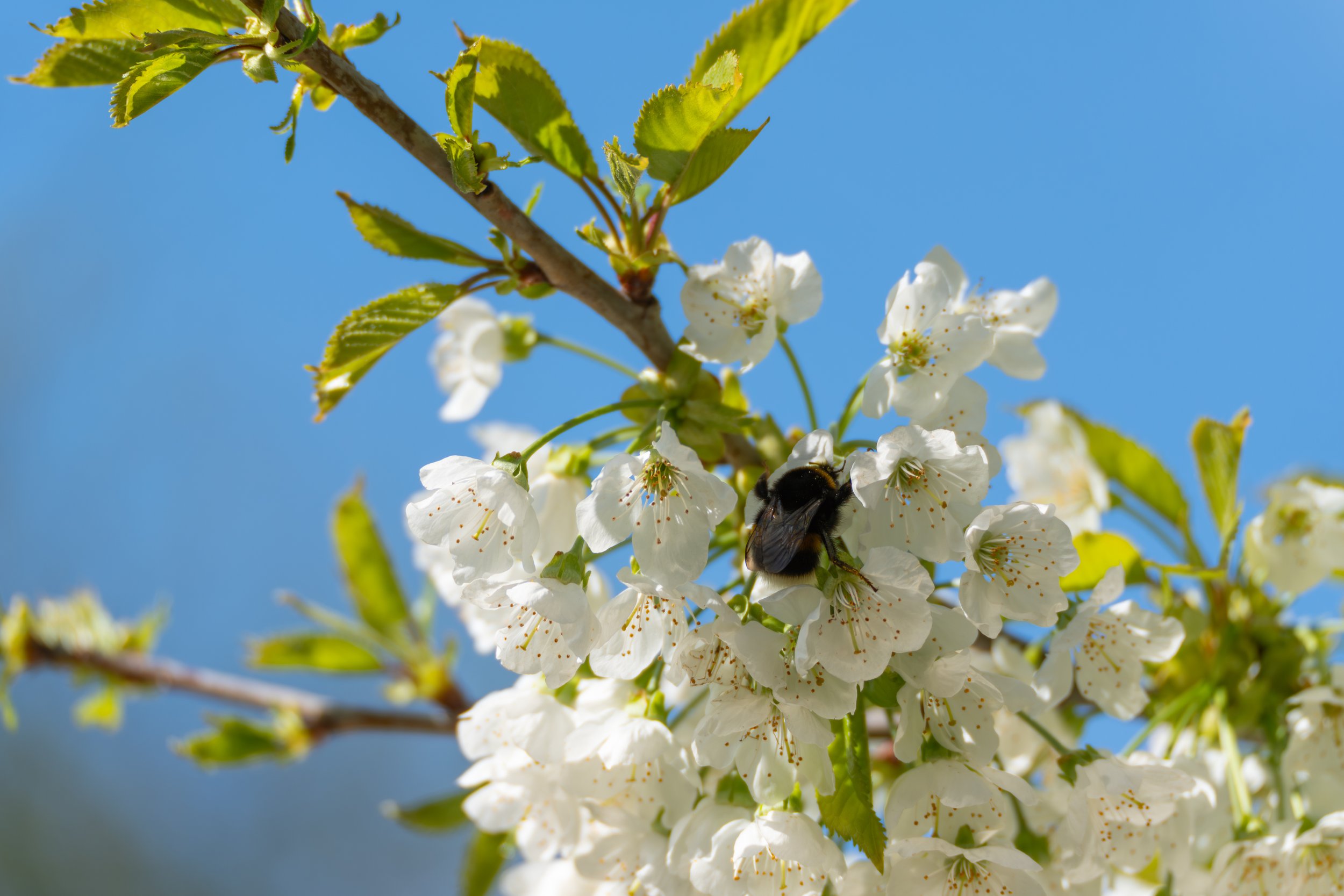
Most Nashville trees support local pollinators by providing nourishment, shelter, or both. Different tree species provide different support conditions, such as early- or late-spring flowers, flaky bark, or particularly nutritious leaves. In this post, we’ll explore how to intentionally support Nashville’s environment by planting pollinator-friendly trees that attract and nurture bees, butterflies, and other essential pollinators across our neighborhood ecosystems.
Why Pollinators Are Important for the Environment
Pollination is essential for environmental health because it’s the way plants reproduce. Trees, shrubs, grasses, and flowers make up the foundational vegetation in our ecosystems, holding soil in place, transpiring moisture into the air, and providing shade, shelter, and nourishment for the entire food web.
Most pollinators are insects, such as bees, butterflies, moths, beetles, and flies. Birds and bats pollinate, too, but they’re a smaller portion of the pollinator picture. Many plants rely on attracting wildlife to move pollen from flower to flower, but others are pollinated by the wind. Flowering trees offer nourishment to mature pollinators, while wind-pollinated trees (and even some flowering ones) create essential habitat for caterpillars of all kinds that eventually transform into butterflies and moths.
Since the majority of Nashville’s canopy cover is on private property, homeowners make real impacts when decisions about trees and landscaping are made. When choosing a tree to plant, consider what pollinators it could support in the neighborhood, in addition to the other benefits it will provide.
Flowering Tree Species for Nashville Pollinators
Some blossoming canopy and understory trees that will get the bees buzzing in your yard include:
Serviceberry
Flowering dogwood
Linden (American basswood)
Crabapple
Certain trees bloom in early to mid-spring, while others bloom in mid- to late spring; a variety of tree species across an area helps ensure a rolling availability of flowers through each month of the season. When deciding on a species, take a look around the neighborhood and consider a tree that isn’t abundant nearby, as this is a sure way to make an impactful contribution to the landscape’s ecology.
Check out our longer list of pollinator friendly trees here for more species and more details about their flowering habits and major pollinator relationships.
Host Tree Species for Nashville Pollinators
Most native trees that don’t feed pollinators still support them indirectly as critical habitat. Keystone host trees for caterpillars and other insects include:
Black willow
Hickories
Pawpaw
American sycamore
Oak trees are among the most important pollinator support trees in Nashville (and in the eastern U.S. in general). Even though they’re wind-pollinated, they host hundreds of caterpillar and insect species, also providing a major food source for birds during breeding season.
On the other hand, some trees have very specific relationships with particular pollinators. The pawpaw is a native understory tree that is the exclusive larval host of the zebra swallowtail butterfly, meaning that caterpillars of this species only develop on pawpaw leaves. Similarly, the catalpa tree is the essential host of the catalpa sphinx moth’s caterpillars (a.k.a. catalpa worms).
Do Any Trees Have Low Pollinator Value?
Some trees like the ginkgo, Japanese maple, and Yoshino cherry are beautiful ornamentals that contribute many other ecosystem services, but don’t provide as much pollinator support as native species do, either for nectar or shelter.
Are Any Trees Not Good for Nashville Pollinator Populations?
In addition to crowding out native species, invasive ornamental trees don’t provide much pollinator support in Nashville’s ecosystem. Below are some trees to avoid planting, and to consider removing if you have one:
Chinese privet
Tree of heaven
Princess tree or Paulownia
Mimosa or silk tree
Supporting Pollinators at Home
Here are a few more ways to support pollinators with eco-friendly landscaping in Nashville yards:
Plant flowering soft landings around caterpillar-hosting tree species that catch fallen individuals and attract hovering insects.
Keep a birdbath in the yard with stones or marbles to allow insect visitors to land and drink without drowning.
Maintain native flower beds that attract browsing pollinators.
Due to the ongoing recovery efforts for this year’s destructive winter storm, the Nashville Tree Conservation Corps’ tree sale is momentarily paused, but we will resume taking orders later in the year for the next planting season, Fall/Winter 2026/27.
In the meantime, you can donate to NTCC to support our work supporting Nashville’s canopy. You can also donate a tree for us to plant in a needy place somewhere in the city, and sign up to volunteer with us.
Sign up for our email newsletter for regular news and tree care tips, and visit our Linktree for more ways to connect.