The Children’s Canopy: Exploring The Impacts of Trees in and Around Playgrounds
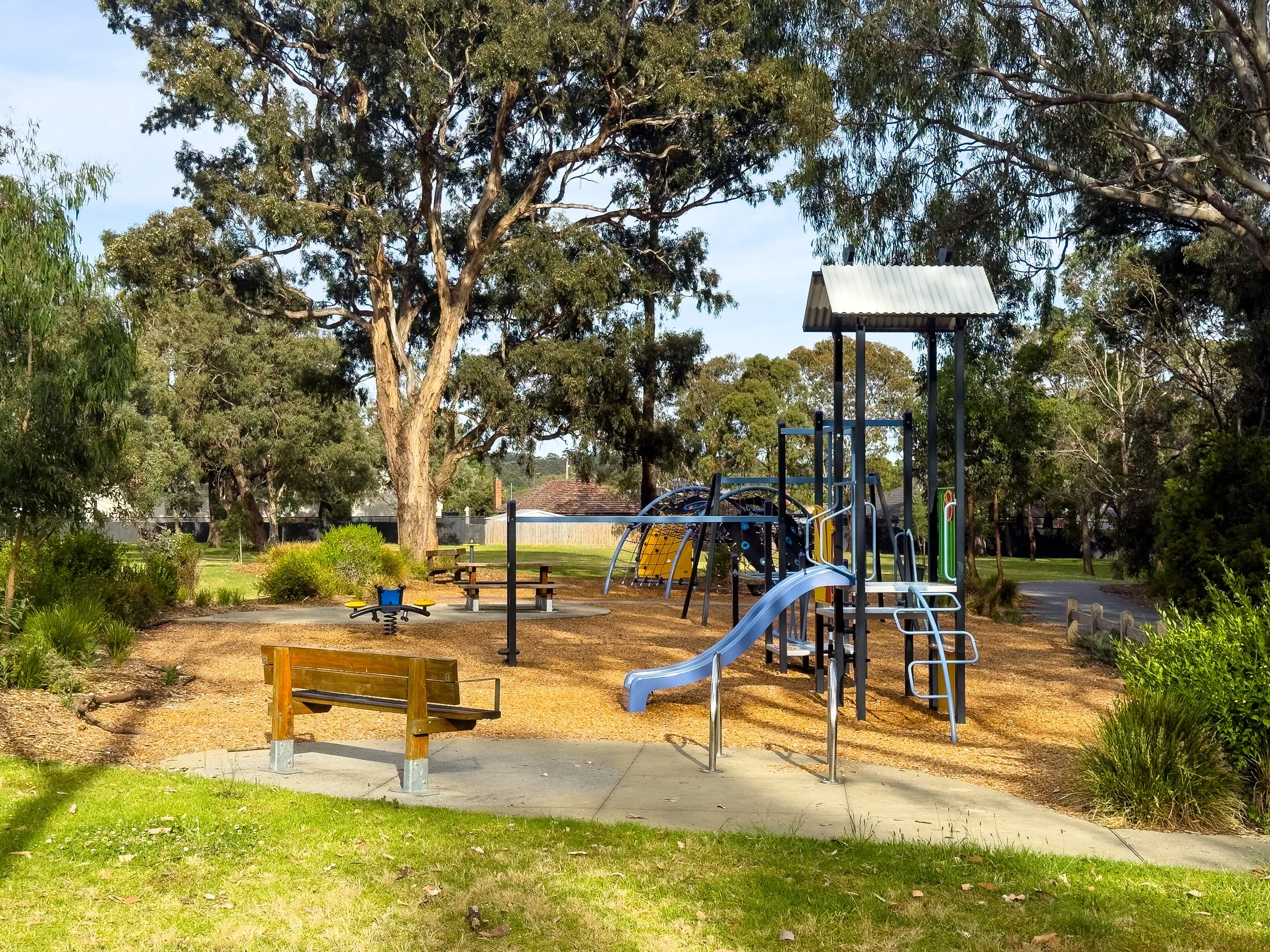
Playgrounds are places for energy, exercise, and socializing: as child-oriented outdoor environments, their landscape design matters! Nashville has about 150 playgrounds across our urban and suburban communities, each with its own particular layout. In this article, we’ll explore how tree canopy cover in and around parks (or lack thereof) impacts our kids’ experiences within these neighborhood recreational spaces.
Greenery in Playgrounds
Although equipment and natural landscape features compete for space, trees are important in and around playgrounds for many reasons:
Shade and heat reduction: The shade from trees reduces surface and air temperatures significantly, which in turn reduces the risk of heat exhaustion and burns from high temperatures and hot equipment.
Access to safe recreational areas: Trees help ensure recreation isn’t limited to mornings or cooler seasons, and their presence allows children to experience local nature without needing to be in the woods, which may be unsafe or inaccessible
Social space: Comfortable, shaded spaces allow kids and their caregivers to stay longer, which strengthens neighborhood cohesion and informal supervision. Children and adults alike often meet their friends (and make new ones) at the park.
Childhood development and wellbeing: Green environments support physical health and creativity through free play options, while exposure to natural settings reduce stress hormones and positively impacts mental health. The rich sensory environment provided by trees, including scents, textures, and seasonal variety, as well as the sights and sounds of local wildlife, supports nature literacy from a young age.
Expectations of greenery and community identity: Children who grow up with trees in everyday spaces internalize that greenery is normal, which supports future expectations and awareness of the environment, and establishes a sense of belonging in natural spaces.
Just like in any other part of the urban environment, trees are infrastructure that provide many ecosystem benefits where they’re planted.
Nashville Neighborhood Playgrounds With Trees
Nashville has some great examples of parks with playgrounds that make the most of greenery!
Frankie Pierce Park has a mix of canopy and understory trees, shrubs, native grasses, and evergreens. The playground is integrated into a lawn, spread across the wide space, with a wooded edge.
Centennial Park has many big trees that residents love. The entire play area is covered by the shade of one particularly large, mature tree.
Shelby Bottoms Nature Play, located within Shelby Park, emphasizes trees, natural materials, and unstructured play in the shade of the wooded area. The playground’s integration into the bottomland hardwood forest creates a nature-immersive setting.
Promise Park at the Nashville Zoo is situated among trees, and the playground’s treehouse theme incorporates shade covers over much of the equipment.
Green Hills Park has a shade shelter near the playground, which itself is in open air. The playground is part of a larger park that has many mature trees, especially in the wooded portion in the southern part of the park.
Is there a shaded play area or amazing shade tree in Nashville you'd like us to highlight in a future post? Tell us about it!
Integrating Trees Into Playground Designs
To improve tree-bare playgrounds, park managers can:
Install shade structures over equipment, seasonal shade tents, pavilions, and picnic shelters as shade islands in open areas.
Reconfigure the grounds by moving sun-exposed equipment closer to existing trees if possible.
Plant multiple canopy tree species like oak, sycamore, and elm for overlapping shade and biodiversity. They should be able to tolerate soil compaction, heavy foot traffic, and some wear from interaction with people.
Use a care plan to manage playground trees and oversee mulching, pruning, and watering schedules, health assessments, pest and disease control, as well as to provide directions for replanting when necessary.
Define playground canopy standards to manage coverage goals (often a percentage of an area and the mixture of tree species and specimen ages) and long-term maintenance strategies, including ongoing funding, monitoring, and replacement commitments.
Integrating shade coverage (both shade structures and tree canopy) is an important aspect of park design that can be considered from the outset in new playgrounds, while shade “audits” over time (using heat maps and coverage data) help monitor and find where improvements can be made to provide and maintain shade coverage and safe, engaging green spaces in established playgrounds.
Do you know of a park that could use some trees or shade cover? Is there a shaded play area or lovely shade tree in Nashville you’d like us to highlight in a future post? Reach out and let us know!
Outdoor Recreation at Home
Our yards are also important playgrounds for our children, and much of the above discussion can be applied to managing our home’s outdoor play areas! When we plant trees and greenery at home and care for the property’s landscape, we contribute to the neighborhood canopy and create connections between our kids, our trees, and the wider ecosystem.
If you have space in your yard for a new tree, browse the wide range of available species through the Nashville Tree Conservation Corps’ tree sale! If you don’t have the space for a new tree at home, sign up to volunteer and help us plant trees in Nashville!
Nashvillians can make a donation to NTCC to support our work, which is funded in large part by private donations.
If you haven’t already, sign up for our email newsletter for news and tips on Nashville canopy care, and check out our Linktree for more ways to connect with us.