
Here Comes the Sun: The Effects of Springtime Sunlight on Trees
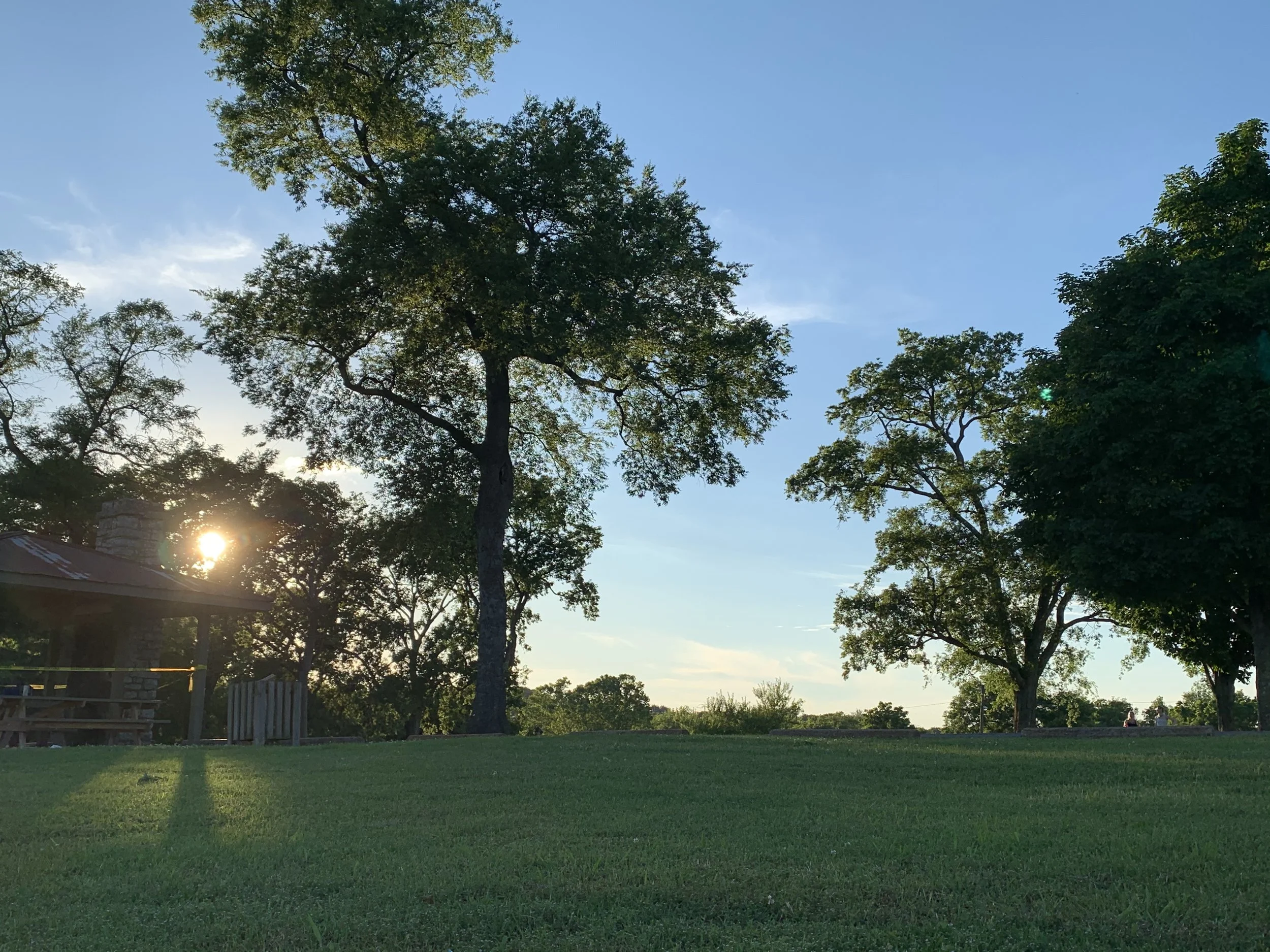
As the days get brighter and longer, trees are affected by the increase in sunlight from winter to spring, which triggers welcome processes like leafing out and flowering, but can also have potentially damaging effects, such as sunscald and freeze cracking. In this article, we'll share what homeowners should know about how spring daylight affects trees in the urban canopy, what to do about the associated risks, and how to support trees during the awakening transition from cool-weather dormancy to summertime fullness.
How Does Springtime Sunlight Affect Trees?
Daylight hours increase noticeably from mid-March, and the sunlight becomes more intense. After the equinox, Nashville quickly jumps from 11-12 hours of daylight to 13-14 by late spring. The angle of the sun due to its position in the sky also changes: in the spring and summer, the sun is higher in the sky than in the fall and winter. Similar to how the sun is lower in the morning and evening and higher and brighter midday, springtime sunlight increases as the season transitions to summer, when the sun hits its highest and hottest annual position.
When the days heat up and brighten, the energy from the light warms the soil and the air, prompting trees to exit dormancy and produce leaves and flowers. The change in sunlight intensity during this period can also cause damage to young trees or those particularly exposed to direct sunlight.
Urban trees are generally more isolated because they grow in open spaces without much canopy protection. In forests, even before they sprout leaves, tree trunks are partially shaded by neighboring trees, which reduces sudden sun exposure and temperature swings in early spring.
Strong early spring sun heats the south or southwest side of an exposed tree trunk during the day, which can warm or burn the bark of a sapling.
Frost cracking, sunscald, and late-season frost can each damage a tree of any age in different ways, all due to the fluctuation between above- and below-freezing temperatures during the transitional season. Learn more about how sudden temperature swings damage trees in our article about winter tree problems.
How to Manage Sun Risks and Care for Trees in Spring
There are various ways homeowners can secure their trees, young and mature, this spring:
Use tree wraps: While mature trees are more resilient to these seasonal changes, the bark on young trees can be significantly damaged by scalding or cracking. Tree wraps or white trunk guards can help protect immature trunks, especially newly planted saplings that receive direct southwestern sunlight.
Water consistently: Making sure a tree is watered, especially during periods of drought, helps it adjust to the warming season and stay hydrated as it grows its crown’s foliage. Spring leaf-out is also a good time to watch for dead branches that don’t sprout leaves at all, which can become hazardous over time.
Apply mulch correctly: A ring of mulch applied in early spring is another way to support a tree’s growth: the organic material will keep heat and moisture in the ground during this period of frequent temperature swings. Be sure that the mulch isn’t piled up around the tree and isn’t touching the tree’s bark and root flare. Read more about why mulch volcanoes are harmful to trees in our article.
A healthy tree transition from winter to spring is important for the canopy’s ecology: bark protects trees, and cracks open access to pests and disease. A full leaf-out is important so the tree can perform photosynthesis and generate energy (in addition to providing shade and wildlife habitat), while its flowers get pollinated and become the seeds, fruits, and nuts that wildlife and humans depend on for food. Trees also perform a variety of other ecosystem services, such as air purification and water management, that create environmental stability.
If you’re unsure or have any questions about managing your tree in spring, please reach out to us at the Nashville Tree Conservation Corps! Or, to find a certified arborist to assess and care for your tree(s), visit treesaregood.org. For risk assessments of your property’s tree(s), look for the TRAQ certification.
Can You Plant a Tree in Spring?
It’s generally recommended that trees be planted in fall or winter to give the roots time to spread out for maximum moisture absorption in the following warmer seasons, but trees can still be planted in spring as long as they are watered regularly and, if temperatures are still fluctuating, protected from sunlight with a barrier.
Damage to an urban tree from springtime weather effects has a real impact: in an environment where individual tree specimens are more isolated and less numerous than in the wild, the loss of either a young or mature tree requires intentional replanting and care of the newly planted tree. With diligence and care, we can ensure the success of our saplings so they can grow into the mature trees that make our canopy ecosystem thrive.
Due to the ongoing recovery efforts for this year’s destructive winter storm, our tree sale is momentarily paused, but we will resume taking orders later in the year for the next planting season, Fall/Winter 2026/27.
In the meantime, you can donate to NTCC to support our work supporting Nashville’s canopy, or donate a tree for us to plant, and volunteer with us to lend a hand. If you haven’t already, sign up for our email newsletter to keep updated on the canopy news and care tips, and check out our Linktree for more ways to connect.