
Nashville's Watersheds and the Urban Forest
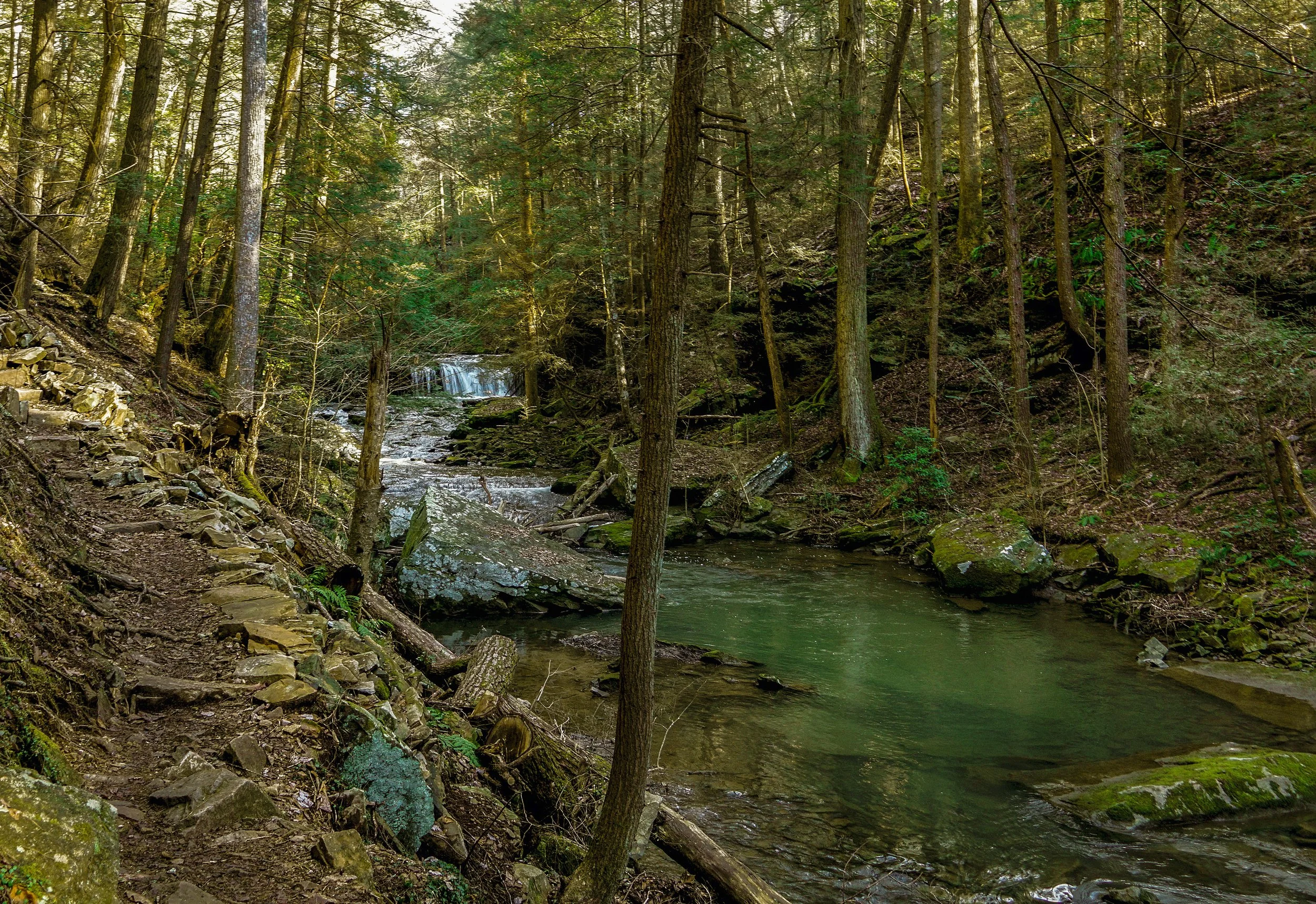
A watershed is an area that “sheds” surface water runoff from rain and snowmelt towards a certain body of water. Nashville contains many watershed areas and water systems, which are themselves a part of larger regional watersheds. In this article, we’ll examine how surface water moves across a place, what happens when it reaches rivers and other waterbodies, and how the built environment interacts with these spaces.
By examining Nashville’s terrain and ecosystems, we’ll highlight the connections among residential landscaping, urban development, and the natural environment across Middle Tennessee. Towards the end, we’ll share how residents can find which Nashville watershed they’re located in, and how to contribute to local watershed management at home.
What Is a Watershed?
A watershed is all the land in an area that rainwater runs off of into a shared destination body of water, including wetlands, streams, rivers, and lakes, which create a network of drainage along the topography of the region.
Watersheds are the geographical boundaries separating where water flows here vs. there, and divisions are created by ridges, hilltops, and mountaintops. Sloping land moves water downward toward shallow areas that capture, store, and channel it.
Every drop of water that falls inside a particular watershed that doesn’t either evaporate, get absorbed by a plant, or get stored as groundwater drains toward the same waterbody. Large watersheds are made of smaller ones, from a few acres up to whole regions on the continental scale.
Nashville’s Watersheds
Nashville’s land drains into many Cumberland River tributary watersheds, including the Harpeth River, Stones River (and Percy Priest Lake), Mill Creek, Whites Creek, and numerous smaller streams, all part of the Cumberland River basin. Metro Nashville identifies 40 local sub-watersheds within the city.
Nashville owes its naturally wooded character and high biodiversity to its moist, fertile environment. The whole Cumberland River basin includes parts of northern Tennessee and southern Kentucky, across which the river flows from eastern Kentucky to the Ohio River in western Kentucky, then joining the Mississippi.
Our city’s main public drinking water supply comes from the Cumberland River. Watershed connections matter because they cumulatively affect the quality of the region’s waterways, which meet multiple local needs. In addition to drinking water, the quality of our streams and rivers is important for ecological health, public health, and recreational opportunities. Of course, these water resources also affect our tree canopy.
Watersheds and Tree Canopies
The mature canopy trees, understory trees, and other types of vegetation in a watershed provide important benefits across the landscape. They:
Slow and reduce runoff by intercepting and holding rainfall in the canopy.
Increase water infiltration into the soil and reduce erosion.
Improve water quality by filtering pollutants through root systems and soil.
Stabilize streambanks.
Cool and protect waterways, which benefit wildlife both above and below the water.
Our landscapes are shaped by the flow of surface water and the contours of the ground: forests, hills, farms, towns, cities, and suburbs are all contained within watersheds, and what happens in one part can affect the whole downstream system.
The Urban Environment and Watersheds
In built environments, impermeable surfaces like buildings, roads, and sidewalks prevent water from soaking into the ground, increasing runoff and flood risk, especially in low-lying areas.
Nashville’s landscape is characterized by steep slopes and small, fast-responding watersheds. When development clearcuts trees, flattens land, and adds impervious surfaces, runoff accelerates, placing greater strain on creeks and drainage infrastructure in vulnerable neighborhoods.
When watersheds are disrupted or redirected, excess water concentrates at the lowest elevations or overwhelms undersized storm drains, leading to sudden flooding. These impacts are intensified by more frequent, intense rainfall, putting homes, businesses, infrastructure, people, and wildlife at risk. Managing stormwater within the built environment remains an ongoing challenge for the city.
How Does Tree Removal Affect a Watershed?
In places that are naturally wooded, low canopy cover causes:
Higher flows and frequency of flash flooding.
Less water infiltration into the ground.
More erosion, leading to widening and destabilization of creeks.
Poorer water quality due to sediment and pollution in water runoff.
Harm to wildlife from lower water quality, including warmer water from the loss of shade.
The ecological degradation of waterways affects the canopy as well:
Flooding can kill trees, especially along floodplains.
Poor water quality (from pollutants, oils, and salts) can stress or kill trees near rivers.
Erosion can degrade bank structure along rivers and uproot streamside trees and other vegetation.
How the land is treated (especially canopy and slopes) affects how fast, how clean, and how much water reaches streams and rivers.
Managing Stormwater in Watersheds
Nashville’s watershed issues (so to speak) are about landscape function. They determine where stormwater naturally flows, how quickly it concentrates, and which neighborhoods flood. Understanding and protecting watersheds means protecting slopes, trees, and natural drainage paths, because once those are altered, the entire watershed becomes more flood-prone and harder (and more expensive) to manage.
Stormwater management bridges the gap between heavy development and a functioning, stable watershed. Nashville recognizes the role of trees and canopy as a key part of its water and stormwater infrastructure: the city has legal frameworks and policies to preserve or replace trees during development, and they link canopy cover explicitly to stormwater control, water quality, and flood mitigation.
However, the growing pace of development, canopy loss, and limits of tree mitigation (such as fines for tree removal and tree replacement requirements for development) mean that preserving canopy remains a challenge, and the effectiveness depends a lot on enforcement and community follow-through.
What Can Residents Do to Protect and Manage Nashville Watersheds?
There are several things that interested Nashvillians can do to support our local watersheds:
Plant trees and other vegetation in your yard for a robust, absorptive landscape.
Be conscious of the yard products you use.
Support and volunteer with local organizations that work with the watershed’s environment or that host waterway cleanup programs.
Contact officials to support causes you believe in, and attend public meetings.
Find out which watershed you’re located within by finding your location on Metro Water Service’s watershed map of Nashville. Their website also includes information on how Nashville manages other water resources and stormwater control measures across the city.
Check out these other organizations dedicated to Nashville watersheds to learn more about what they’re doing:
Nashville Tree Conservation Corps’ work contributes to the city’s watershed management when we plant trees, care for them, and advocate for good local standards and laws that protect our neighborhood coverage. When you support NTCC by making financial donations or volunteering with us, we’re helping manage the landscape, including our shared watershed, together.
Due to the ongoing recovery efforts for this year’s destructive winter storm, our tree sale is momentarily paused, but we will resume taking orders later in the year for the next planting season, Fall/Winter 2026/27.
Subscribe to our email newsletter and visit our Linktree to stay connected!