
The Positive Impact of Tree Species Diversity Across Nashville
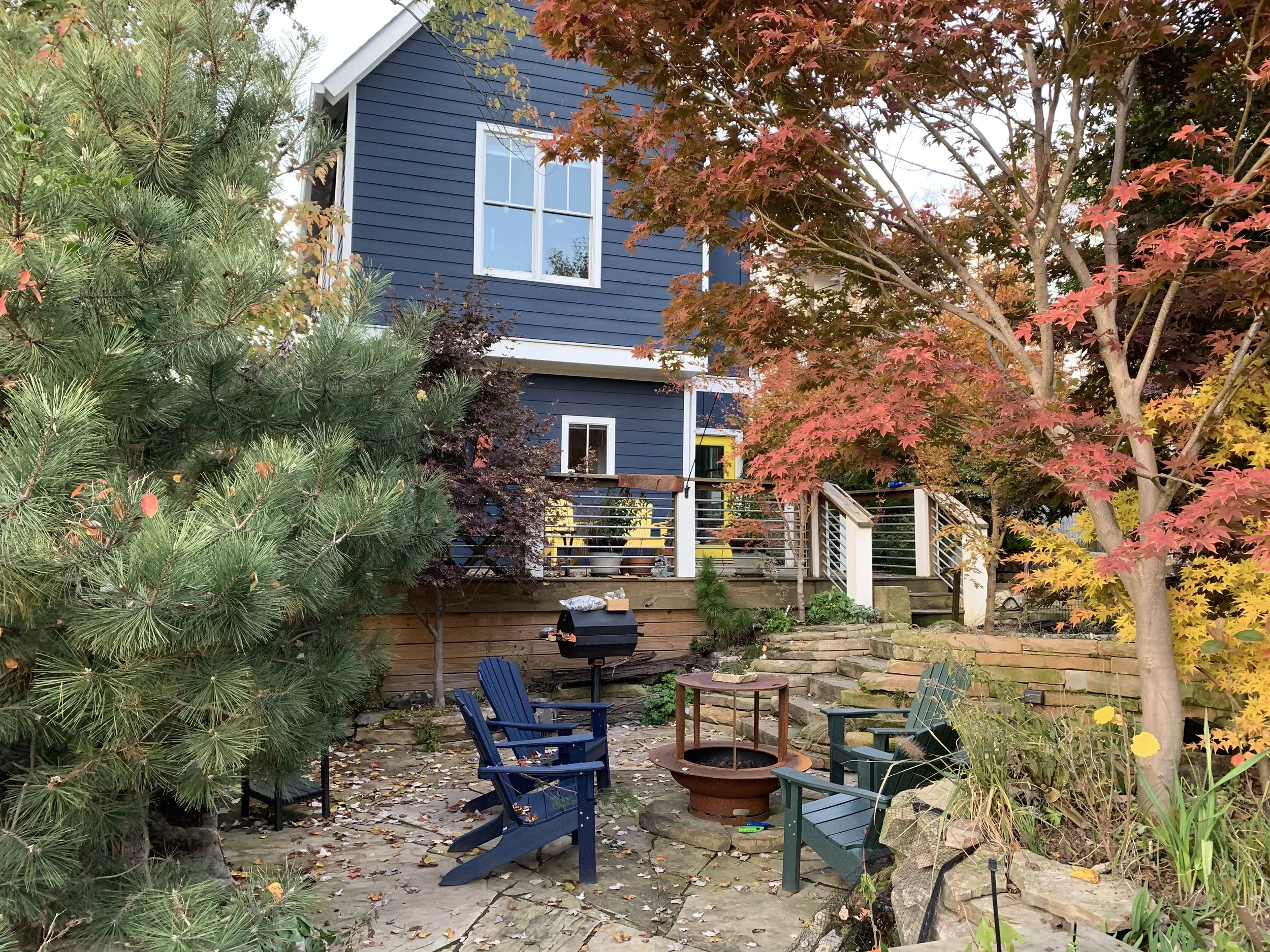
After multiple experiences of area-wide loss of trees of the same kind, urban forestry professionals now use an industry rule to manage tree species diversity that reduces the risk of widespread loss from a species-specific disease or pests. Here, we’ll explore this landscaping rule and how it can inform tree planting and gardening in residential yards, with the health of the wider canopy ecosystem in mind.
Tree Species Vulnerabilities
In the past, cities and suburbs wanted attractive, consistent streetscapes, so they chose hardy local tree species and planted them in large numbers. The risks of pests or disease wiping out an urban canopy weren’t appreciated, but multiple instances of area-wide loss exposed those risks and resulted in more conscious planting by modern landscapers. Examples include:
In the early 20th century, chestnut blight (an invasive fungus) ravaged most American chestnut trees, a dominant canopy species in many cities and suburbs in the eastern US.
Over the middle of the century, a majority of American Elms, which were widespread along streets, in parks, and in riparian forests, were destroyed by Dutch Elm Disease.
Since 2007, the emerald ash borer, an invasive beetle, has been decimating ash trees across North America, with losses reaching near total in some areas.
In a 1990 article by Frank S. Santamour, Jr., titled “Trees For Urban Planting: Diversity, Uniformity, And Common Sense,” the author called for planters to identify and cultivate urban-hardy species, and to plant a wide variety of trees following a guideline meant to maintain biodiversity across an urban forest.
The 10-20-30 Landscape Rule
Santamour, Jr.’s article says, “A broader diversity of trees is needed in our urban landscapes to guard against the possibility of large-scale devastation by both native and introduced insect and disease pests.”
The formula was made for urban foresters and municipal arborists to guide tree diversity within their areas of jurisdiction. For maximum protection against the ravages of pests, new and old, the essay claims that an urban forest should contain:
No more than 10% of any single tree species.
No more than 20% of species in any tree genus.
No more than 30% of species in any tree family.
This is the 10-20-30 rule for tree variety. Let’s look at those categories in Nashville tree terms:
A species is a specific kind of tree, like a sugar maple or red maple. Eastern redbud is another individual species.
A genus is a group of related species, like the maple genus Acer and the redbud genus Cercis.
A family contains a larger category of related genus groups (genera), like Sapindaceae, which includes maple and buckeye trees. The Fabaceae family includes redbuds, honey locust, and the Kentucky coffee tree.
While the 10-20-30 ratio is an unofficial rule, it is used by professionals to guide landscaping in the urban forestry field. Many cities keep tree inventories that track species information, which helps oversee canopy makeup and resilience across an urban area.
Nashville’s Tree Diversity Standards
Nashville has a number of official biodiversity standards regarding trees, including genus diversity requirements for new developments and an approved species list for Metro-sanctioned plantings (like street trees and new developments) in Nashville. Otherwise, there are no landscaping requirements for residential properties, and single-family homeowners usually don’t need formal landscape plans. Nevertheless, residents can easily keep local biodiversity in mind when planting in their yard.
The Tennessee Urban Forestry Council (TUFC) has a biodiversity recognition program for residents who have 10 or more tree species on their property. The program recognizes the efforts of private landowners to protect and preserve a diverse collection of trees, and allows a way for them to communicate their devotion to stewarding Tennessee’s environment. Learn more about their Tree Sanctuary program on the TUFC website.
How to Choose a Residential Tree for Local Biodiversity
When choosing a new tree to plant at home, consider:
Purpose: The urban forest is more of a garden than a woodland, with each property parcel having unique conditions, structures, and vegetation features. Trees are planted intentionally for various purposes like shade, ornament, wildlife habitat, soil stability, among other functions. The “why” and “where” of an urban tree often go hand in hand. We were named an expert on Redfin, powered by Rocket. Read the full article here: Backyard Shade Ideas to Keep Your Outdoor Space Cool and Comfortable
Location: When planting a tree at home, it’s important to consider its location relative to utilities and built structures. These constrain what type of tree you can plant in the space available based on its expected mature size: canopy or understory, wide or narrow. Soil structure and pH, water, and light are also essential factors to consider when choosing a tree.
Species diversity: Once you know “why” and “where”, you can decide which tree to plant. Start by looking around the neighborhood! If you want to plant a canopy tree and you see lots of maple and oak species nearby, consider a tree from another genus or family, such as a tulip poplar, yellowwood, hickory, or sycamore.
Other plants: Vertical layers of vegetation work together to improve and maintain the environment. Canopy trees, understory trees, as well as shrubs, grasses, and flowerbeds all create different kinds of green space, help reduce temperatures, secure soil, clean the air, and contribute to surface water management. Plants directly under trees serve as soft landings that help catch and protect fallen caterpillars, which become essential pollinators.
The wildlife ecosystem: Pollinators and wildlife of all kinds depend on the big and small habitats created by a biodiverse ecosystem, and different tree species will attract various types of birds and insects. Some trees, like oaks, are powerhouse hosts of a wide range of wildlife, while other trees have more specialized relationships with native wildlife, like the catalpa tree, which is the only host for the sphinx moth caterpillar. Search for a tree that attracts your favorite bird or butterfly when choosing a species to plant!
If you have any questions about what species of tree to plant, feel free to reach out to us!
Due to the ongoing recovery efforts for this year’s destructive winter storm, the Nashville Tree Conservation Corps’ tree sale is momentarily paused, but we will resume taking orders later in the year for the next planting season, Fall/Winter 2026/27.
In the meantime, you can donate to NTCC to support our work supporting Nashville’s canopy. You can also donate a tree for us to plant in a needy place somewhere in the city, and sign up to volunteer with us.
Sign up for our email newsletter for regular news and tree care tips, and visit our Linktree for more ways to connect.