How to Manage Big, Old Trees
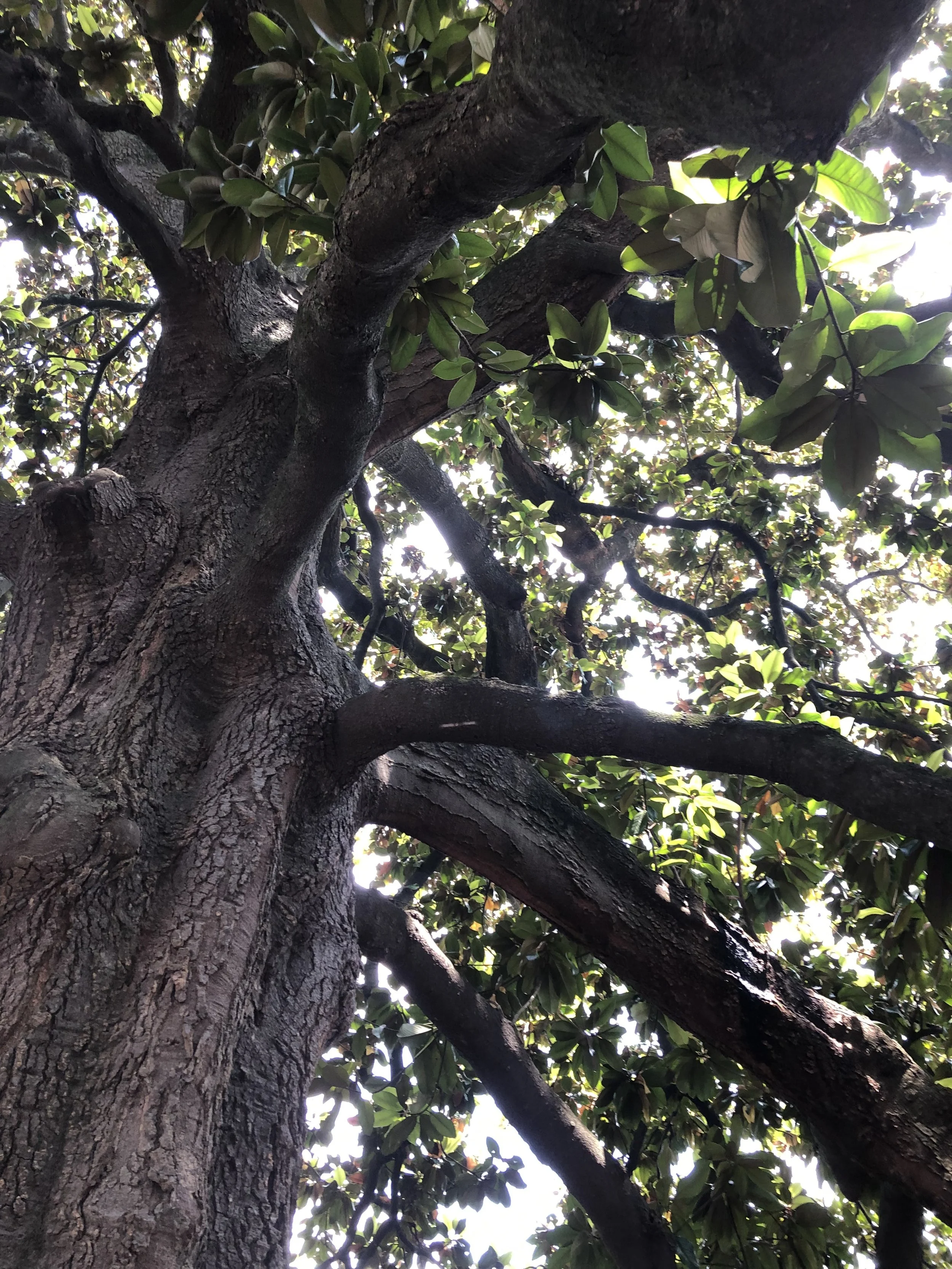
Big, old trees across Nashville are the pillars of stability and productivity in our urban canopy ecosystem. Due to their age, size, and slowed growth, older trees have specific maintenance needs that certified arborists address to keep them in strong, healthy, and productive condition.
Here, we’ll look at the special considerations and best care practices for mature trees, then explore how mature trees impact the quality of life in Nashville. Towards the end, we’ll share what homeowners can do to manage the older trees in their yards for maximum benefits and longevity.
Special Considerations for Old Trees
Older canopy trees provide more benefits than younger ones because of how big they are, and even when they reach an age beyond peak growth, these specimens continue to provide powerful ecosystem services as long as they’re healthy.
Old trees decline slowly and naturally, and age alone doesn’t tell us whether a tree is safe or productive. A very old tree can be stable and vigorous if it has good structure, healthy roots, and no major decay, while good maintenance and environmental conditions support its health and resilience. In urban forestry, decisions about trees are made based on risk, function, and health, all of which determine whether a specimen can continue to provide benefits safely and for how long.
How to Care for Old Trees
Trees grow quickly year over year until they reach their mature height, and when upward growth stabilizes, energy is used for maintenance, defense, and reproduction. While they’re growing, arborists shape trees for their mature height so that when they’re older, a specimen is able to stand strong in place for as long as possible.
For arborists, managing old trees is about preserving structure, reducing risk, and avoiding unnecessary stress. These trained professionals can assess a tree to determine where it is in its lifecycle.
Arborists care for old trees by:
Pruning deadwood.
Cabling and bracing weaker limbs to reduce stress.
Caring for soil by managing root-zone conditions (aerating, fertilizing, mulching).
It’s important to work with certified arborists for the maintenance of large, old trees. Large trees require safety equipment to access the crown, and trimming needs to be done carefully to maintain the tree’s structure in advanced age.
Benefits of Old Trees in The Urban Canopy
It’s hard to overstate the value of big, old trees across an area: mature specimens hold more ecosystem value than younger trees due to the much larger magnitude of the services they provide. They also represent decades of growth that can’t be readily replaced. Young trees are important, too, but especially because they grow into the big trees that, in aggregate, make up a robust canopy ecosystem. An old tree’s ecosystem services include:
Carbon storage: much more than younger and smaller trees.
Soil stabilization: extensive root systems hold the soil in place.
Water management: large roots absorb more water (stable soil does, too).
Cooling from shade: critical to reduce urban heat.
Cultural and historical value: old trees are landmarks and living history.
Old trees also create essential habitat for the wildlife of the urban canopy ecosystem. These big trees are populated with insects, birds, and small mammals, often hundreds of species at once (especially oaks, which are keystone trees in Middle Tennessee). A mature tree also hosts a variety of fungi, moss, and lichen, all of which contribute to the food web and to the condition of the tree.
What Can Homeowners Do for Their Old Trees?
Big, old trees on private property can be listed with Nashville’s Specimen and Historic Trees Program, which will then attach the requirement of a special review for the specimen to be removed. Otherwise, tree preservation on private property is generally at the homeowner's discretion, placing Nashville residents in the role of essential stewards of the urban canopy.
The best thing residents with healthy, old trees can do is to maintain them! As long as they aren’t a danger to people or property, mature trees add value to the ecosystem and to the property (big, healthy trees are appraised at higher values than younger ones). To manage old trees, homeowners can:
Hire a certified arborist for routine maintenance and inspection (between 1 and 3 years based on health and condition).
Water when there is drought.
Maintain the soil.
Keep an eye out for pests or worrisome fungal growth.
Watch for deadwood in the crown (branches that aren’t growing leaves in spring, yellowing mid-season, or loss of bark).
If you notice any signs of weakening in your tree(s), reach out to a certified arborist (find a Nashville arborist at treesaregood.org) or contact us at the Nashville Tree Conservation Corps if you’re unsure about the condition of your big, old tree!
Which Nashville Trees Live Longest?
In Nashville, white oak trees are the longest-lived type of tree, especially bur oak and swamp white oak, which are able to stand strong for several centuries! In addition to oaks, the longest-lived Middle Tennessee trees are beech, hickory, and sugar maple.
What Does a Tree’s Age Tell Us?
Knowing the age of a tree can be helpful to a tree manager in a variety of ways: tree ring analysis shows historical information about a tree’s health and local environmental conditions, while a specimen’s precise age can help make decisions about care needs, support insurance claims, and inform landscape planning. Learn more about tree rings in our article on how they form and what they tell us!
Due to the ongoing recovery efforts for this year’s destructive winter storm, the Nashville Tree Conservation Corps’ tree sale is momentarily paused, but we will resume taking orders later in the year for the next planting season, Fall/Winter 2026/27.
In the meantime, you can donate to NTCC to support our work supporting Nashville’s canopy. You can also donate a tree for us to plant in a needy place somewhere in the city, and sign up to volunteer with us.
Sign up for our email newsletter for regular news and tree care tips, and visit our Linktree for more ways to connect.