
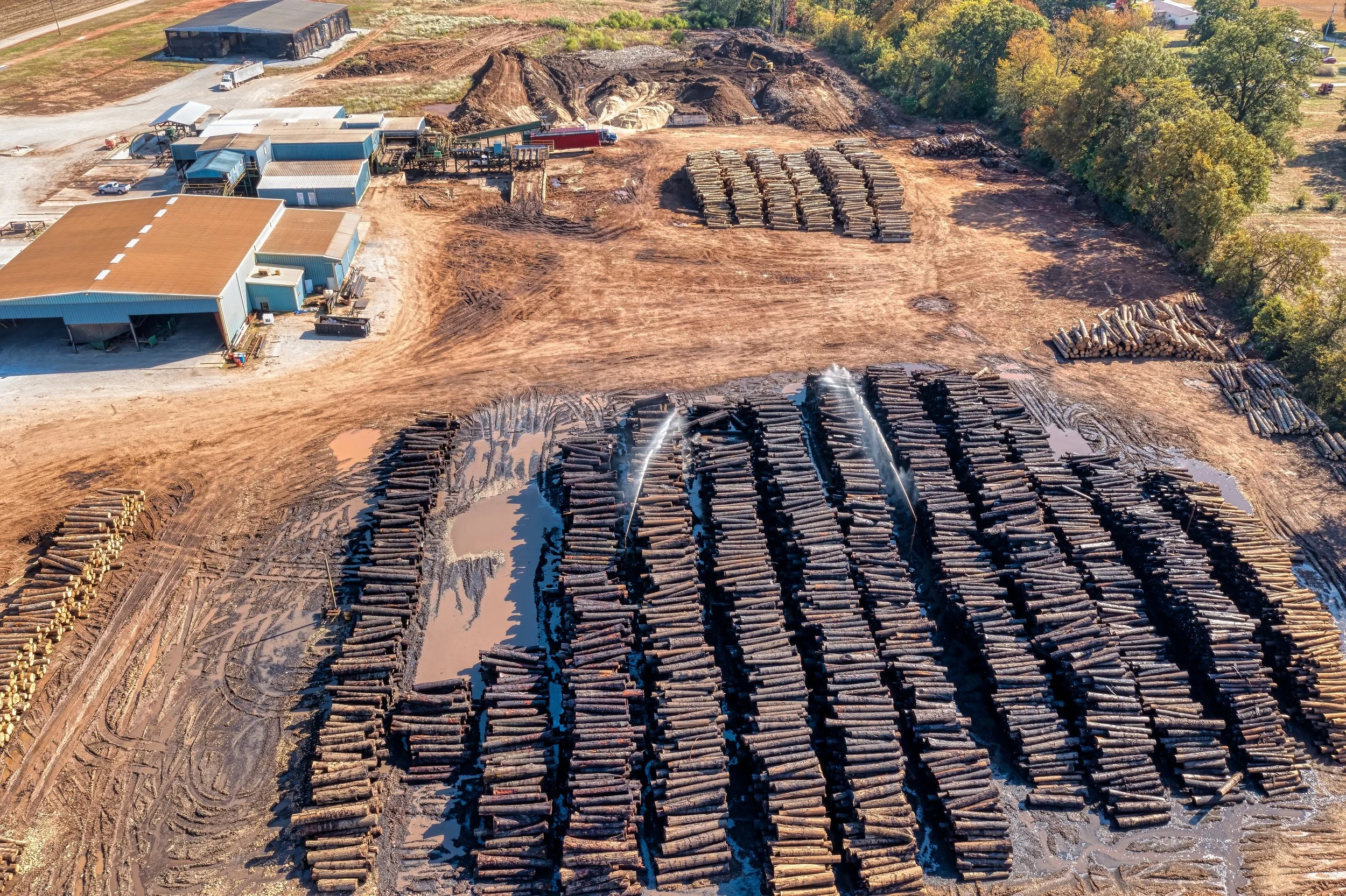
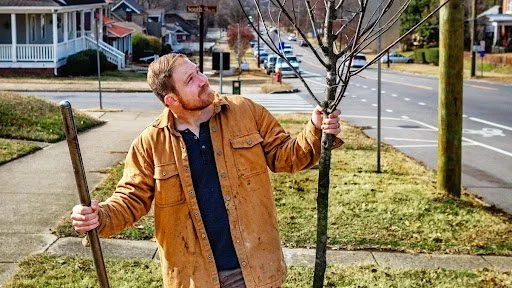
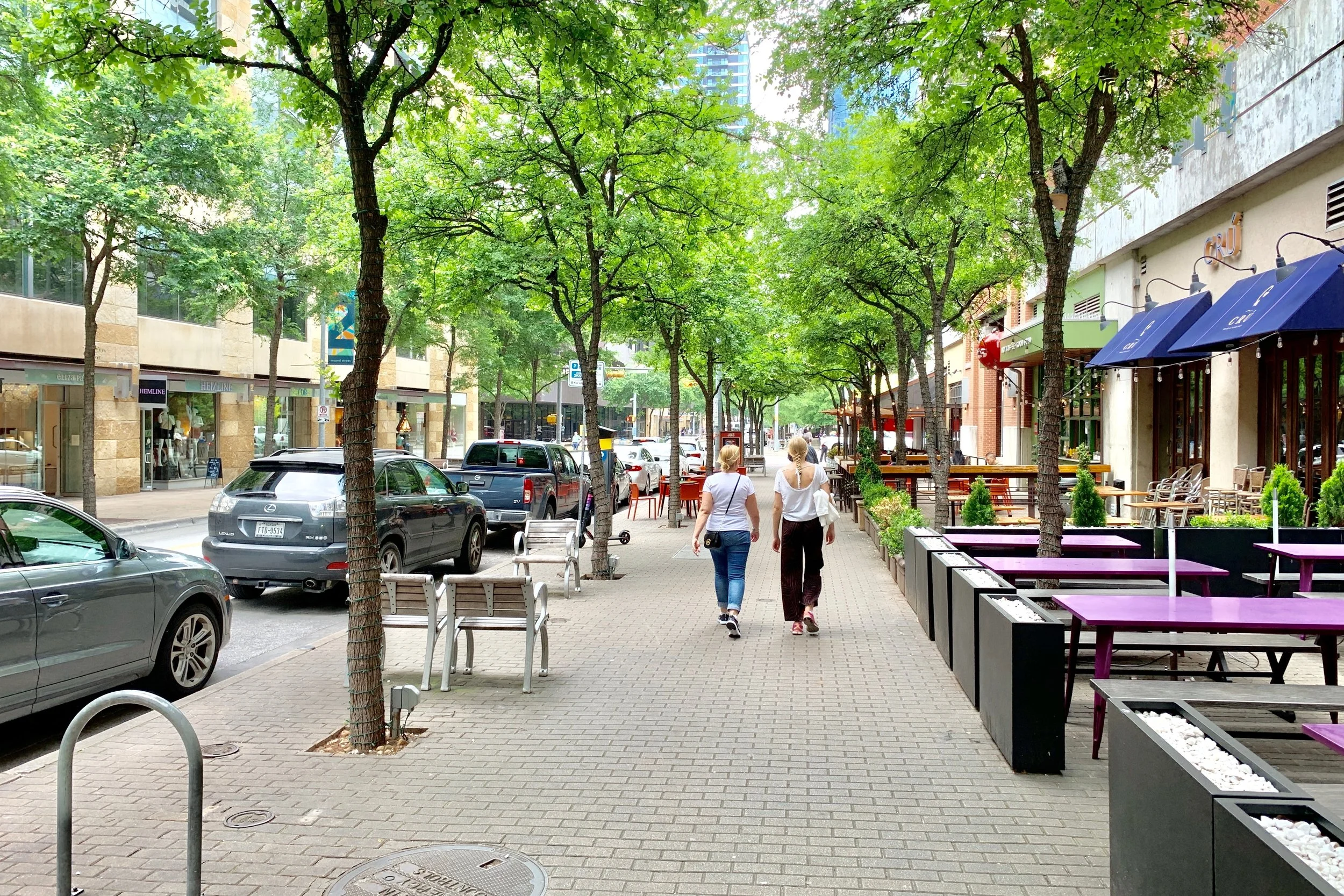

Clearcutting, or clearing an area of its standing trees, is a major environmental concern in Nashville and throughout Tennessee. When we remove trees from forested land, it significantly changes the ecology and environment of an area, with consequences for how that place can manage weather and pollution, host wildlife, and be hospitable to public health.
Read More
The Metro Nashville Government is currently considering legislation that will enhance tree protection during construction projects. The bill will be decided upon at the February 4th, 2025 public hearing, so there’s still time for residents to reach out to their district representatives to encourage them to vote in favor of it. Here, we’ll go over what the legislation means for Nashville’s canopy, then we’ll share some guidance on how to voice your support for this development in Nashville’s tree law!
Read More
The Metro Historic & Specimen Trees Program helps counter indiscriminate removal of the most significant canopy trees in our city. This gives homeowners some legal power to preserve trees on their property and ensure that even if the property is sold and developed, our big, old beloved trees may remain.
Read More
In March 2024, legislation on new development in the city of Nashville was passed that now includes critical provisions for trees thanks to efforts led by Will Worrell, Nashville Tree Conservation Corps co-founder and board member. As part of NTCC’s mission to promote, preserve, protect, and plant trees in Nashville, contributing our expertise to developing legislation that positively affects the presence of trees in the city is an essential way of supporting our neighborhood canopies today and into the future.
Read More
Every tree that someone planted was a decision made, and the Shelby Avenue Arboretum is a project backed up with lots of heartfelt, thoughtful consideration that you can learn all about on its official website! At shelbyarboretum.org, residents and visitors of Nashville can read about how and why these trees were planted, curated, and chosen for specific themes; they can also find visual experiences and discover key ecological highlights about these trees. In this article, we’ll take a tour through the arboretum’s website as an introduction to this information-rich resource on these vibrant living exhibitions.
Read More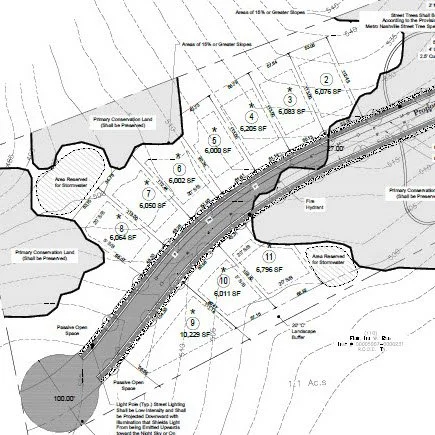
A change in Nashville’s residential zoning codes approved by the Metro Council will help to secure greater protections for environmentally sensitive natural areas throughout Davidson County.
Read More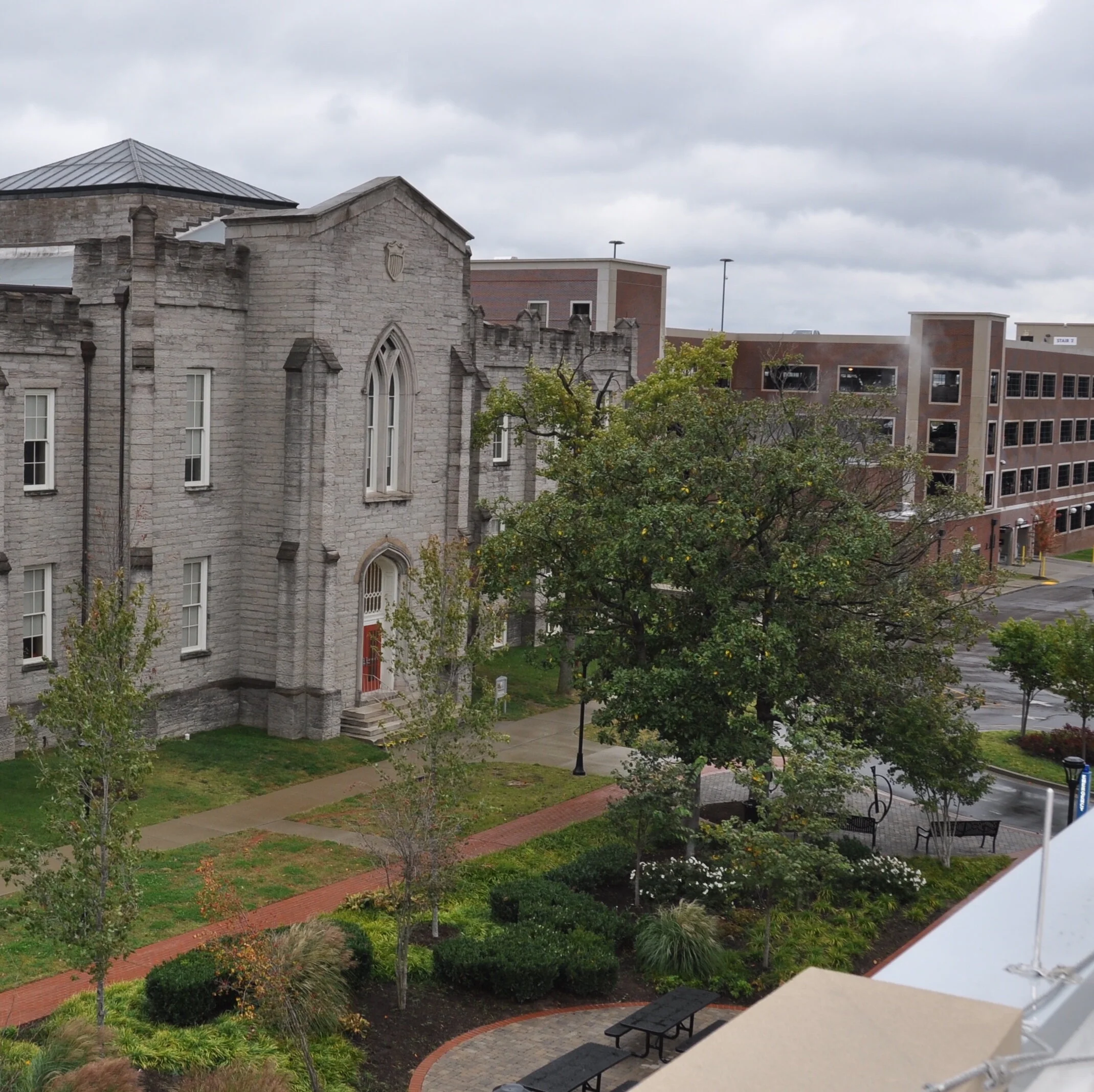
More than two years after the Cherrygate incident provoked widespread outrage, Metro Council is moving toward passage of a tree bill that would strengthen protections for trees on public property.
Read More
Although 17 trees will be removed in preparation for the Music City Grand Prix auto races in August, NTCC worked closely with the mayor’s office to seek a solution that would minimize impact and maximize tree benefits for the city.
Read More
The Historic & Specimen Trees Program registers and recognizes trees in Davidson County as important to the area and community.
Read More
Removing trees from sloping land creates dangers from erosion and landslides, so standards that regulate clearcutting in development can help make Nashville a safer place
Read More