
Too Dry, Too Wet, or Just Right? How Weather Affects Fall Foliage From Tennessee to the Carolinas
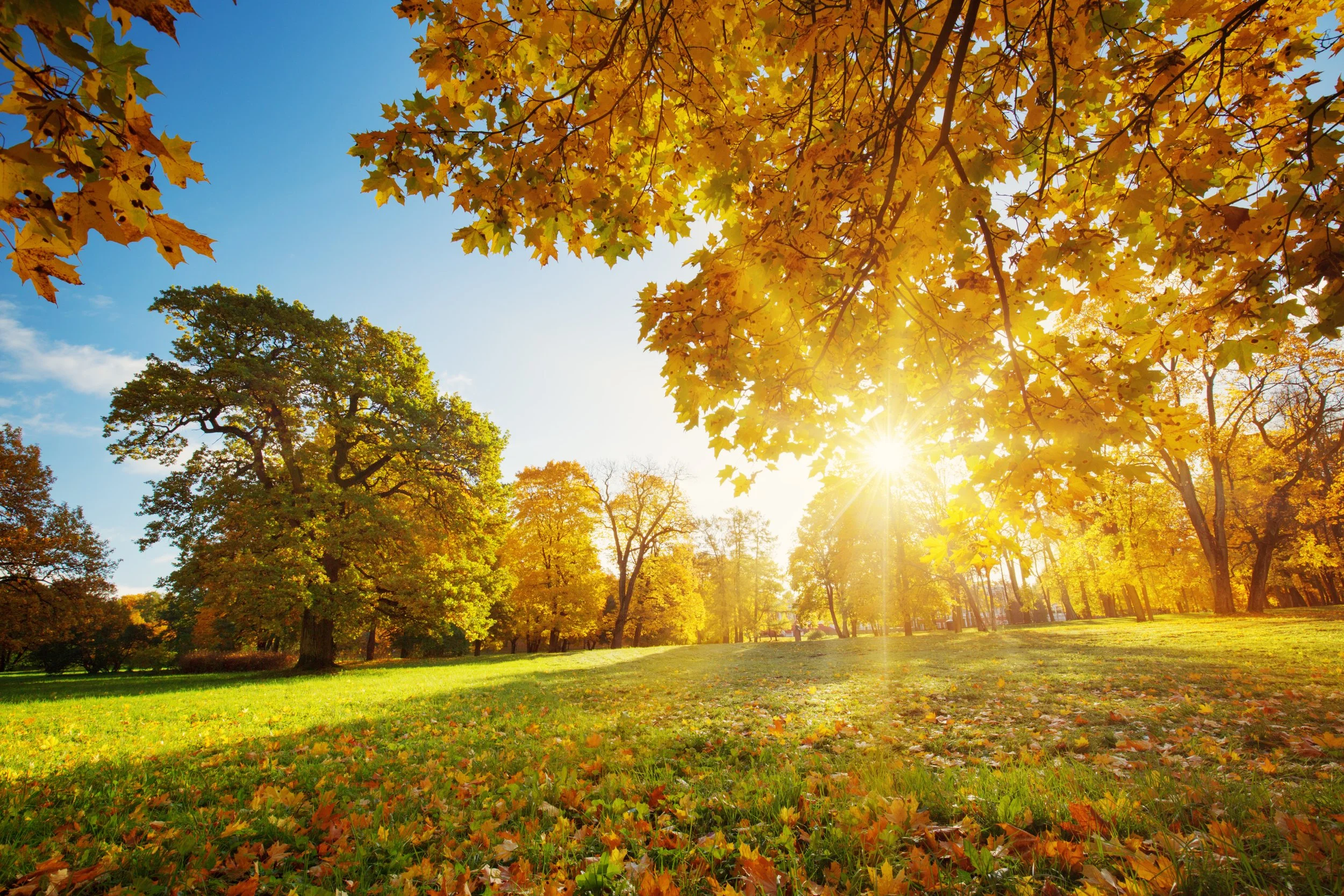
Have you ever noticed that some years, it seems like fall colors might not be as vibrant as the last year, or that the leaves are dropping off earlier than usual, some even without really putting on a show? The weather plays a big part in autumnal leaf colors, from spring through summer, and into the fall. In this post, we’ll explore how daylight, drought, rain, and temperature affect leaves and their fall pigments.
Why Leaves Change Color
After the summer solstice, daylight hours gradually decrease, and trees produce less chlorophyll. By fall, this starts to trigger dormancy in deciduous species, and the trees drop their leaves, but not before producing the color display that adds to the seasonal atmosphere.
When tree leaves stop producing chlorophyll for the season, their green color disappears as well, exposing the colors of the other pigments in the leaf tissue, such as yellow, orange, or red.
Yellow: In the fall, not only do daylight hours decrease, the intensity of the sunlight is lower as well. The yellow pigments are already present in the leaf, so it’s exposed as the green fades away. Tulip poplar, hickory, white oak, birch, and ginkgo all show shades of yellow in the fall.
Orange: The process is the same for trees that turn orange, including beech, sweetgum, and blackgum. The combination of pigments in the leaf determines the shade of its fall color.
Red: Red pigment in tree leaves is more complex. It’s produced by the sugar stored in the leaves of certain species in cool temperatures, rather than revealing already-present pigments like yellow and orange. Some trees can be less red some years, depending on how cool it gets. Sugar maple, red maple, red oak, black cherry, and dogwood all have red fall foliage.
Daylight adjustments don’t vary from year to year, but variations in rainfall, wind, drought, and temperatures in fall, and throughout the spring and summer months before, affect the intensity of autumnal canopy coloration.
How Weather Affects Fall Foliage Vibrancy
The quality of a tree’s fall color actually begins in spring, which can impact how healthy and vigorous the leaves are that year, and how vivid the fall color may be. A stressful spring, from warmth or drought, can lead to less intense color later in the year.
Summer weather strongly affects fall foliage color because heat, moisture, drought, and sunlight affect the leaves’ condition and pigment production. On the other hand, temperate weather, or good care in stressful conditions, can result in brighter hues come fall.
After moist spring and summer weather, a seasonally normal fall should follow with a vibrant, varied canopy display of reds, oranges, yellows, and browns amidst remaining green as tree species and specimens change at different rates over the weeks. A warm, dry fall, however, can delay that spectacle or dull it. Stressed trees may drop their leaves even before turning colors.
For red trees, the temperature really matters. Since red pigments are produced by sugars in the leaves of certain species in cool nighttime temperatures, a warm fall may mean less vibrant reds, or a lack of red in particularly stressed trees.
Wet weather can also challenge fall coloration, especially if it comes as heavy rain and wind. Wet summer conditions can also encourage fungal growth like tar spot and anthracnose, which cause leaves to brown and fall before they get a chance to change colors in fall. Storms can knock weak leaves off of trees, so a dry summer and a stormy fall could lead to bare trees earlier in the season.
Leaf Peep Around Nashville
There are many ways to observe and enjoy the city’s seasonal canopy when the leaf colors start to change this fall:
Visit any of the parks in and around the city, like Percy Warner or Shelby Bottoms. Check out our article on the Top Leaf Peeping Spots Near Nashville for a few fall excursion ideas.
Nashville has multiple arboretums to view curated collections of trees on display, including Cheekwood and Hermitage, as well as NTCC’s own Shelby Avenue Arboretum!
Our city’s neighborhoods are full of beautifully landscaped residential properties that contain a variety of species of trees, from small ornamentals to large, mature shade trees, that can be seen in day to day transit, or on a casual walk.
Plant trees in your own yard to contribute to the quality of the urban forest, and to benefit and enjoy the tree canopy at home! Browse our annual tree sale, which runs from September through February, for a range of species available at below-retail prices, sourced from local nurseries.
On September 26, 2026, NTCC will be holding a volunteer event to do cleanup work in Shelby Arboretum in the East Nashville neighborhood. Check out this post for more information on the event, or click here to sign up to volunteer!
Join us on October 17th for An Evening Among the Trees, an intimate gathering with NTCC that provides us with an opportunity to connect with you, our supporters, and celebrate Nashville’s tree canopy. RSVP by October 9th. Get details and buy tickets on our events page.
There are more ways to support NTCC’s work in our urban canopy: donate a tree for us to plant, or donate a dollar amount to NTCC to help fund our mission-driven work. Sign up to receive our email newsletter, and check out our Linktree for more ways to connect!