
Working With NES: How Nashville Residents Can Navigate Tree Trimming Concerns
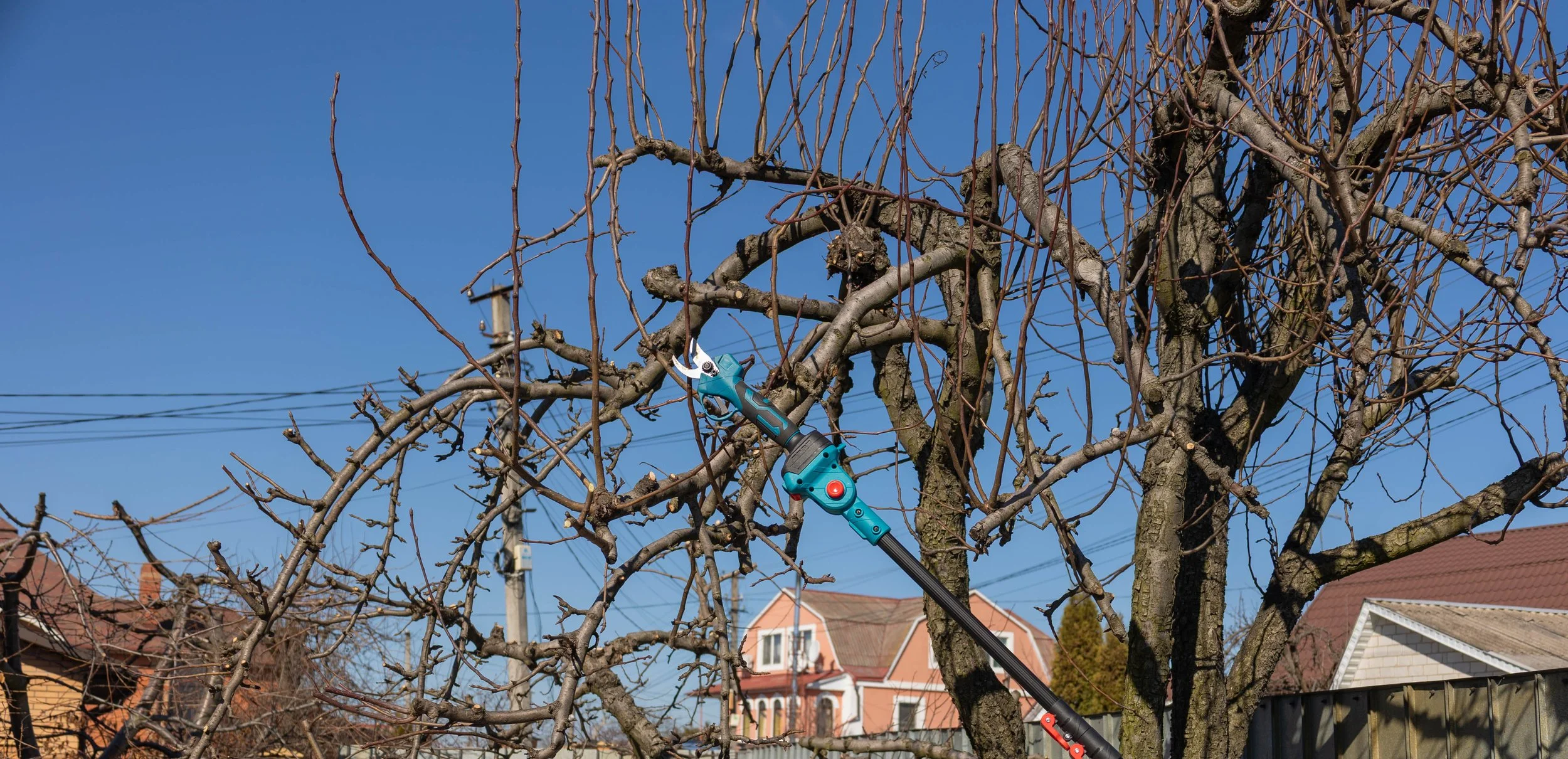
In the aftermath of Winter Storm Fern, residents of Nashville and the Nashville Electric Service (NES) are having an open discussion about tree trimming practices in the city. Many homeowners wonder whether there was insufficient pruning before the storm, and whether that affected the extent of damage caused by falling branches and trees to the city’s electrical grid.
There is a real tension between trees and electrical infrastructure in urban areas, and it falls upon homeowners and NES to manage that coexistence. In this article, we’ll examine those relationships, then share how residents can maintain and advocate for good trimming practices, and how to interact with NES when necessary, for the best outcomes in tree care and utility provision across Nashville.
Nashville’s Electrical Grid and Winter Storm Fern
The conflict between residents and NES is partially due to Nashville’s dense urban tree canopy and extensive overhead power lines. Our neighborhoods are known for having big, mature trees, which improve shade and property values, in addition to providing a range of other ecosystem services. The high number of trees increases the chance of vegetation hitting power lines during strong storms, but good care practices can reduce that risk.
During Winter Storm Fern, ice accumulation caused branches and entire trees to collapse onto power lines across the city. The added weight of ice made the trees particularly dangerous, causing even some well-trimmed trees to snap. The ice storm caused hundreds of broken utility poles and widespread line damage, demonstrating how extreme weather can overwhelm systems designed for milder conditions.
Concerns voiced by Nashville residents triggered investigations and criticism of NES preparedness and questioned their trimming standards. The expectation of more frequent extreme weather events, including ice storms, heat waves, and severe thunderstorms, means that utilities must plan for higher-impact events than in the past.
For our part, the Nashville Tree Conservation Corps has responded to the fallout from the storm with practical support for the community through our Operation Overstory recovery effort, which has already been able to help several families with arborist services for damaged trees. Consider making a donation to NTCC to help support this recovery effort, which will be a priority for us for the foreseeable future!
How Much Tree Trimming Is the Right Amount?
The right amount of trimming has to do with keeping branches at a distance from power lines. Utilities need a certain amount of clearance around distribution lines to prevent outages (the industry rule of thumb is 10 to 15 feet around the power lines), but aggressive trimming can damage the tree canopy, which residents value for environmental and aesthetic reasons.
In Nashville, NES follows a routine trimming cycle of between three and four years for trees across the city, aiming to maintain a safe clearance distance between specimens and power lines over time. If trimming cycles are too long or clearances too tight, outages become much more likely during ice or wind events, which is a big part of the current scrutiny on NES.
Whose Responsibility Is It to Trim Trees Near Power lines?
The Nashville community’s frustrations with NES trimming decisions may lead to better resilience planning in the long-term, but homeowners themselves can take action to oversee the trees on their property that are near electrical infrastructure.
NES trims trees around electrical utilities for safety and distribution reasons, including those on private property when necessary to avoid risks to power lines. If a tree is maintained by the owner under the care of a certified arborist and branches are kept clear of power lines, NES has no need to trim that specimen unless it begins to encroach on the utility lines or become hazardous.
Tree maintenance on private property is a private responsibility, but the reliability of the grid depends on it, which is why NES runs its area-wide trimming cycles. Individual homeowners may have barriers to managing vegetation consistently, and NES says that, in general, tree-related outages have decreased since the implementation of their trimming service.
Tips for Interacting With NES
There are certain times when working with NES may be necessary:
After storms, if a tree is leaning on or has damaged power lines (call 911 if a power line is broken).
When a tree branch is near or touching an unbroken power line; call NES right away (615-234-0000) and don’t try to move or trim it by yourself; a branch on a line is a hazard.
When NES is performing a scheduled trim in your area.
When workers are present at trees on or near your property, you can ask questions about the purpose of the work, and if you notice that cutting seems excessive, raising concerns is valid. Feel free to reach out to NTCC if you’re worried about a tree’s condition, but you’re unsure how to proceed!
Advocating for Proper Tree Cutting
In urban areas, settlement is dense: buildings, utility infrastructure, nature, and people are in close proximity, so we have to coordinate and advocate for the highest quality of life across the built environment. To contribute to good canopy management, residents can:
Work with a certified arborist to prune trees on their property (some ISA Certified Arborists have an electric utility qualification that supports their work with trees near power lines).
Plant new trees with power lines in mind: shorter species near power lines, larger ones further away. Check out our article on how to plant trees near utilities!
Connect with NTCC if unsure about landscaping decisions around power lines (we’re here to help!).
Report overgrown trees on either private or public land that are too close to, or are touching, power lines.
Support local tree care organizations that advocate for tree protection and best practices in Nashville.
One great way that you can help make sure that the trees on your property or in your neighborhood are being cared for is by learning what a well-pruned tree looks like, which can help you assess services performed by professionals that you hire and/or by NES. Small-scale landscape decisions matter to the area-wide canopy, and knowledgeable tree care reduces certain urban environmental risks, including those to electrical lines.
Due to the ongoing recovery efforts for this year’s destructive winter storm, our tree sale is momentarily paused, but we will resume taking orders later in the year for the next planting season, Fall/Winter 2026/27.
In the meantime, you can donate to NTCC to support our work supporting Nashville’s canopy, whatever the needs may be. You can also donate a tree for us to plant, and volunteer with us to lend a hand. If you haven’t already, sign up for our email newsletter to keep updated on the canopy news and care tips, and check out our Linktree for more ways to connect