
Organic September: What You Should Know About Organic Soil This National Organic Month
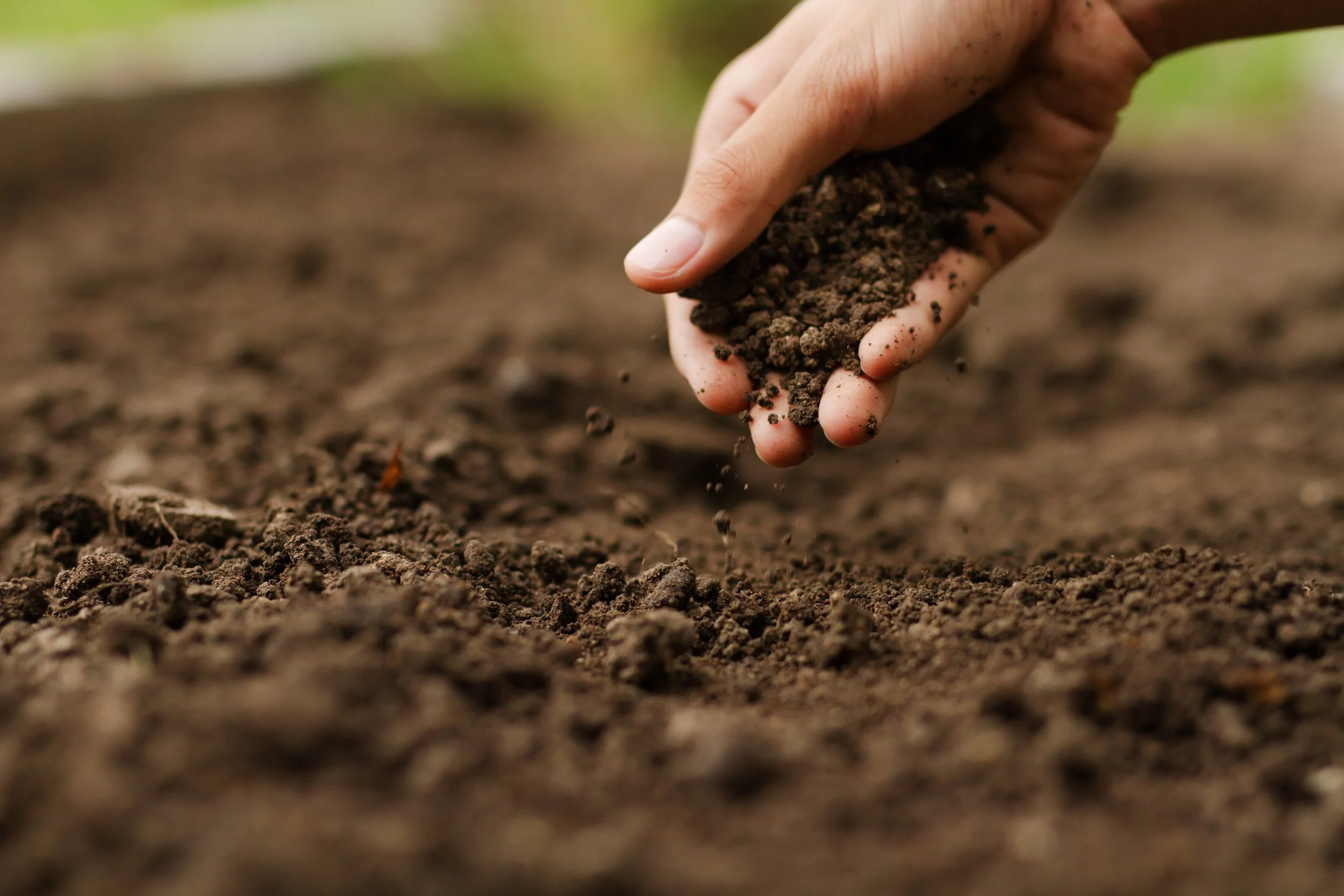
“Organic” is much more than a buzzword! When it comes to soil in our yards, the presence, amount, or absence of organic matter makes a difference in how well the ground can support trees and other plants. To recognize September as National Organic Month, we’ll explore why organic matter in soil is so important for tree health, then offer some tips on how to promote nutrient-rich organic soil in your residential yard.
Trees and Soil
Soil is a natural resource that is foundational to the vegetation that grows in it (whether forests, farms, or gardens). On any given Nashville residential property, the health of that parcel’s soil affects the health of its trees, which in turn affects the urban canopy at large.
Robust soils provide their own set of ecosystem services that help maintain the health of a place, including water filtration and storage, and carbon storage, in addition to the fertility that supports the growth of plants.
This means that homeowners can make real ecological contributions to the local canopy by incorporating soil health maintenance as part of normal yard care. The condition of the ground that trees grow in affects their strength and longevity, as well as their capacity to produce effective ecosystem services like soil stability, air filtration, water management, and wildlife habitat.
What Is Soil Made Of?
Soil is a complex ecosystem made up of:
Rock particles
Organic matter
Water
Oxygen
Fungi
Communities of creatures
Rock provides texture and minerals; oxygen and water support roots and organisms; organic matter (remains of plants and animals) and humus (decomposed organic matter, not the chickpea-based dip) enrich fertility, improve structure, and store moisture. Fungi and soil life (like bacteria, worms, insects, and more), as well as above-ground animals like birds and other wildlife, recycle nutrients and help plants access them.
Together, these components create a dynamic environment where nutrients are released gradually through the process of decomposition. This cycle maintains fertility, stabilizes soil, and sustains plant health, especially for trees that depend on deep, resilient soils over long lifespans.
Why Organic Matter Is Important in Soil
Organic matter is the life-giving part of soil: it feeds microbes, holds water like a sponge, and keeps nutrients available for plants. It also creates a porous environment where air and moisture can penetrate. Without decomposing organic matter, soil can become hard, dry, or depleted, making it tough for roots to grow.
Certain trees, such as the eastern red cedar, locust, hackberry, and some oaks, can tolerate poor or depleted soils, but almost all trees grow best in healthy soil rich in organic matter and humus.
Humus (not “hummus”), the dark, well-rotted result of the decomposition process, holds on to nutrients and moisture over a long period of time, slowly releasing vitamins and minerals into water in the soil, which then gets absorbed by roots. For trees and other plants, having plenty of organic matter means more nutrients, better growth, and a soil ecosystem that can support them year after year.
What Is Organic Soil?
Fundamentally, all soil has some amount of organic matter in it, but the degree of biotic activity (small creatures, fungi, and bacteria) and input materials and substances can vary widely between locations and preparation. To be specific:
In the ground, topsoil is the upper layer, containing various amounts of organic matter, humus, minerals, air, water, and organisms. Subsoil lies beneath, which is more compacted, with more minerals and less organic matter.
Some soils are treated with synthetic amendments (like fertilizers and pesticides) or contaminated with chemicals that prevent them from being labeled as “organic soil” according to the U.S. Department of Agriculture’s definition.
Potting soil may have organic components (such as peat moss or coconut coir), but it is usually sterile for indoor use or starting seedlings, and is not suitable for use in the ground. Some potting soils are organic, while others are treated with synthetic additives. Always read labels when buying bagged soil to be sure of its contents and purpose.
How to Promote Healthy Soil at Home
Healthy soil is essential to life on Earth, and some of that soil is located within the boundaries of our properties! A well-maintained residential landscape can offer a supportive soil system for its trees and other plants, creating area-wide ecological benefits. Here are some ways you can stay on top of your yard’s soil condition:
Know your soil: Identify your soil type and test it regularly for nutrient and pH levels (the University of Tennessee extension office can perform this test for a small fee). Watch your trees and plants for nutrient deficiencies (a certified arborist can assess signs of weakness in trees and may test the soil for diagnosis).
Build soil with organic matter: Apply mulch and leave the leaves to enrich and protect the soil naturally. Compost kitchen scraps and yard waste to create an ongoing supply of nutrient-rich amendments.
Use amendments wisely: Amend soil with compost and organic matter to improve structure and biology. Fertilize thoughtfully, based on soil tests, rather than by routine. Avoid synthetic fertilizers and pesticides to encourage truly organic soil.
Purchase quality topsoil if needed: look for dark, crumbly soil with a fresh, earthy smell.
Permaculture planting for soil health: Perennials and trees anchor soil, prevent erosion, and foster long-term fertility. Plant under trees with groundcovers or other shade-tolerant perennials for a living “permanent mulch” that offers moisture retention, insulation, and weed suppression. Avoid unnecessary disturbance of the soil to preserve its structure and living community.
Enhance the open spaces in your landscape and stabilize the ground with a new tree that is well-suited to your yard's soil type! Check out the Nashville Tree Conservation Corps’ tree sale, where we source a range of tree species from local tree farms and deliver to your yard.
If you can’t plant a tree, sign up to volunteer with us! You can also donate a tree, or donate a dollar amount to support our continued work to support Nashville’s canopy. Every kind of contribution makes a difference!
Sign up for our email newsletter for regular updates and information about the local canopy ecosystem, and check out our Linktree for more ways to connect.