
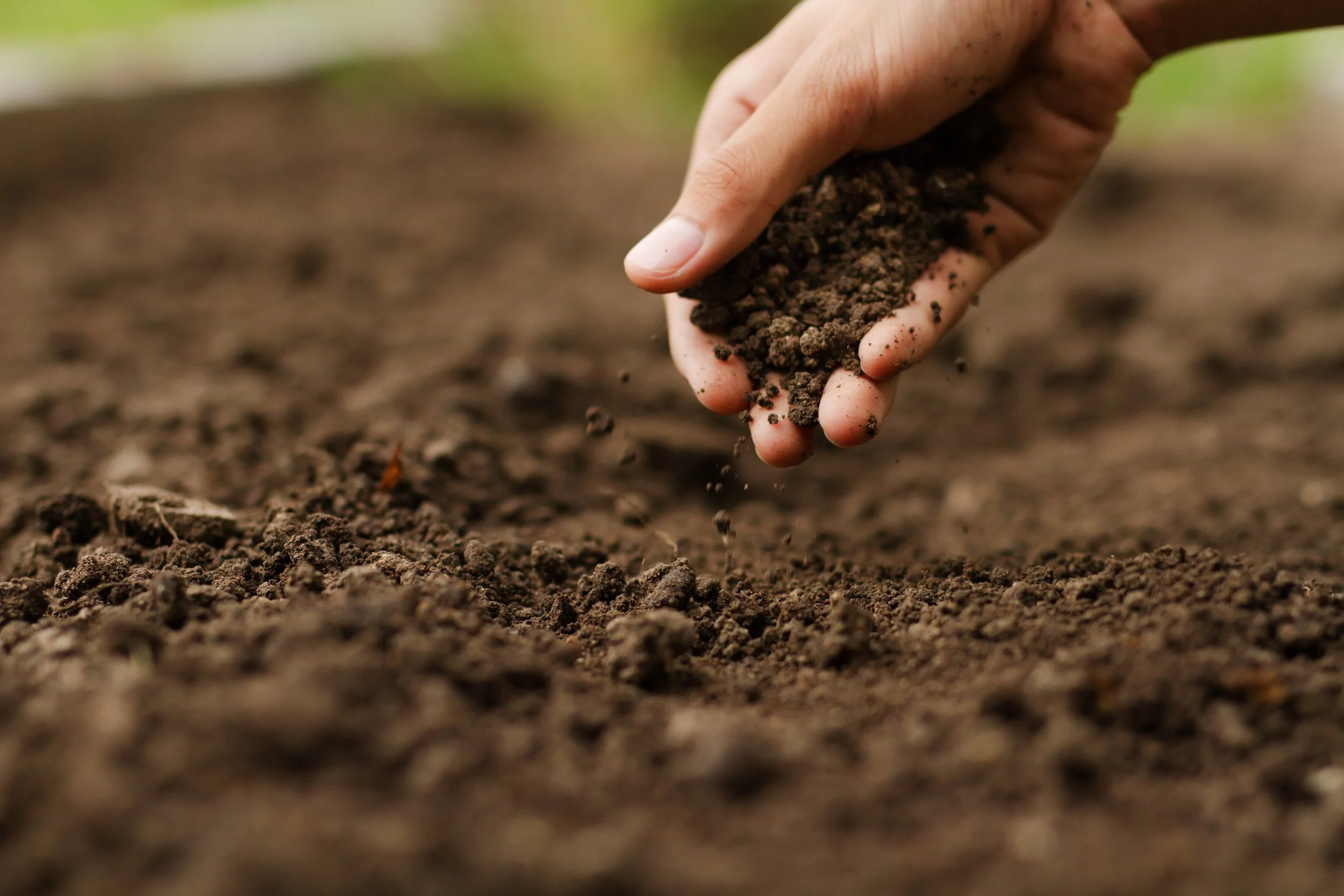


Nashville’s environment experiences regular bouts of drought, ranging from mild to severe. When there’s not enough rain over a long period of time, urban trees can suffer from dehydration and its consequences if not watered properly. Some trees are more resistant to drought than others, which is a crucial trait for planting in urban environments, where temperatures tend to be warmer and drier than in surrounding areas. In this article, we’ll look at how trees react to drought conditions, then provide some tips on how to best care for your trees when Nashville’s air is at its driest.
Read More
When Nashville winds and storms thrash trees around, branches, limbs, and whole specimens can be knocked down, causing problems that range in severity. In this article, we’ll provide some key resources for Nashville residents seeking reliable emergency tree services.
Read More
From light breezes to powerful storms, trees are exposed to the full range of wind forces that accompany all types of weather. This couldn’t be more true in Nashville, TN, which has seen its share of tornadoes and severe wind gusts in recent years. Late winter and early spring tend to be the windiest time of year for Music City, so it’s crucial to understand how wind affects trees and what you can do to minimize potential damage (to your trees and your property).
Read More
One of the most common problems for trees in winter is frost cracking—when rapid temperature changes cause the outer layer of tree trunks to break. Sometimes, the impact is minimal, but large damage can result in long-term consequences for a tree. In this article, we’ll go over why frost cracking happens, as well as some tips on what you can do to protect your trees when they’re most vulnerable.
Read More
Trees are significant features of neighborhood landscapes, so home insurance policies have to address risks related to the local canopy when establishing and maintaining coverage. In this article, we’ll go over some of the rights and obligations of homeowners and insurance companies when it comes to managing both the healthy and weak trees on residential properties in Nashville.
Read More
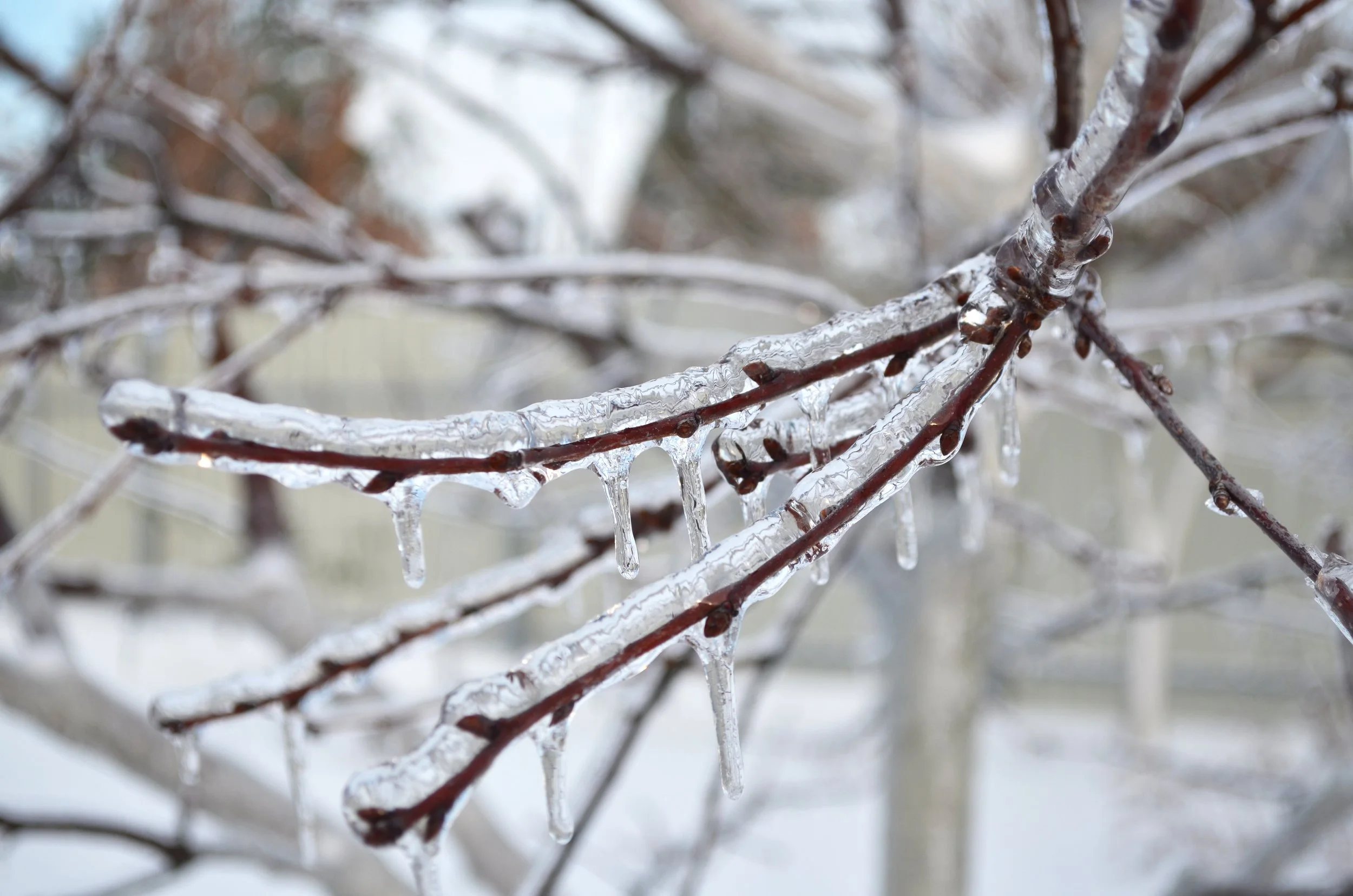
The coldest months of the year can really test the hardiness of a tree. Weather conditions, wildlife, and salt runoff from hard surfaces cause some of the most common tree issues in winter, such as damage to bark and branches. In this article, we’ll explore the causes of these issues and explain how, with preparation and preventative care, much of the damage to trees in winter can be avoided.
Read More
Trees are exposed to many risks in urban and neighborhood settings, where they need specialized attention to maintain them in the healthiest and safest condition. Certified arborists are healthcare providers for trees. Their certifications speak to their knowledge gained from experience and ongoing practice, inspiring confidence that the trees they oversee will be treated with expert levels of care. Here, we’ll explore how certified arborists’ qualifications help them manage the trees across Nashville’s landscape.
Read More
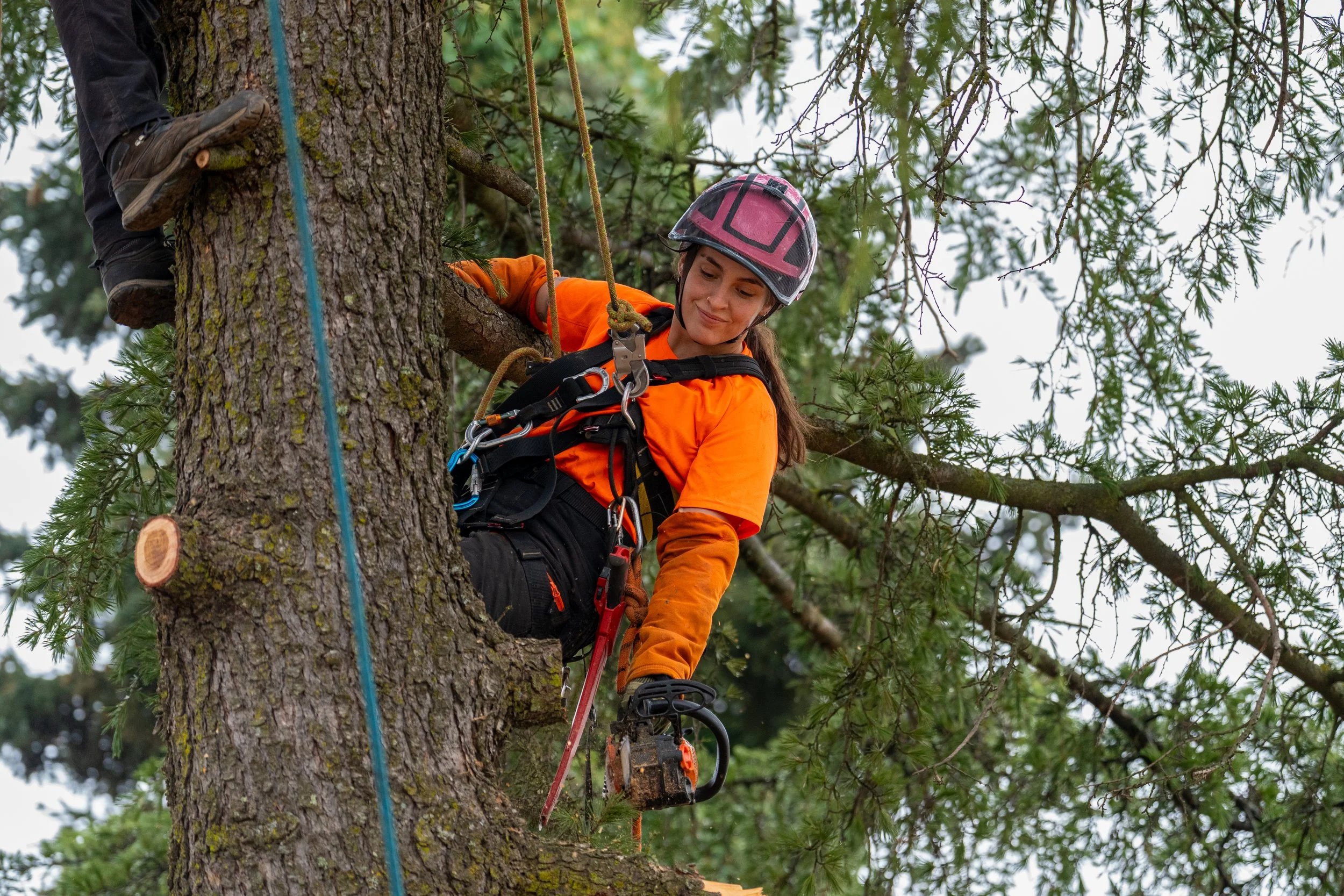
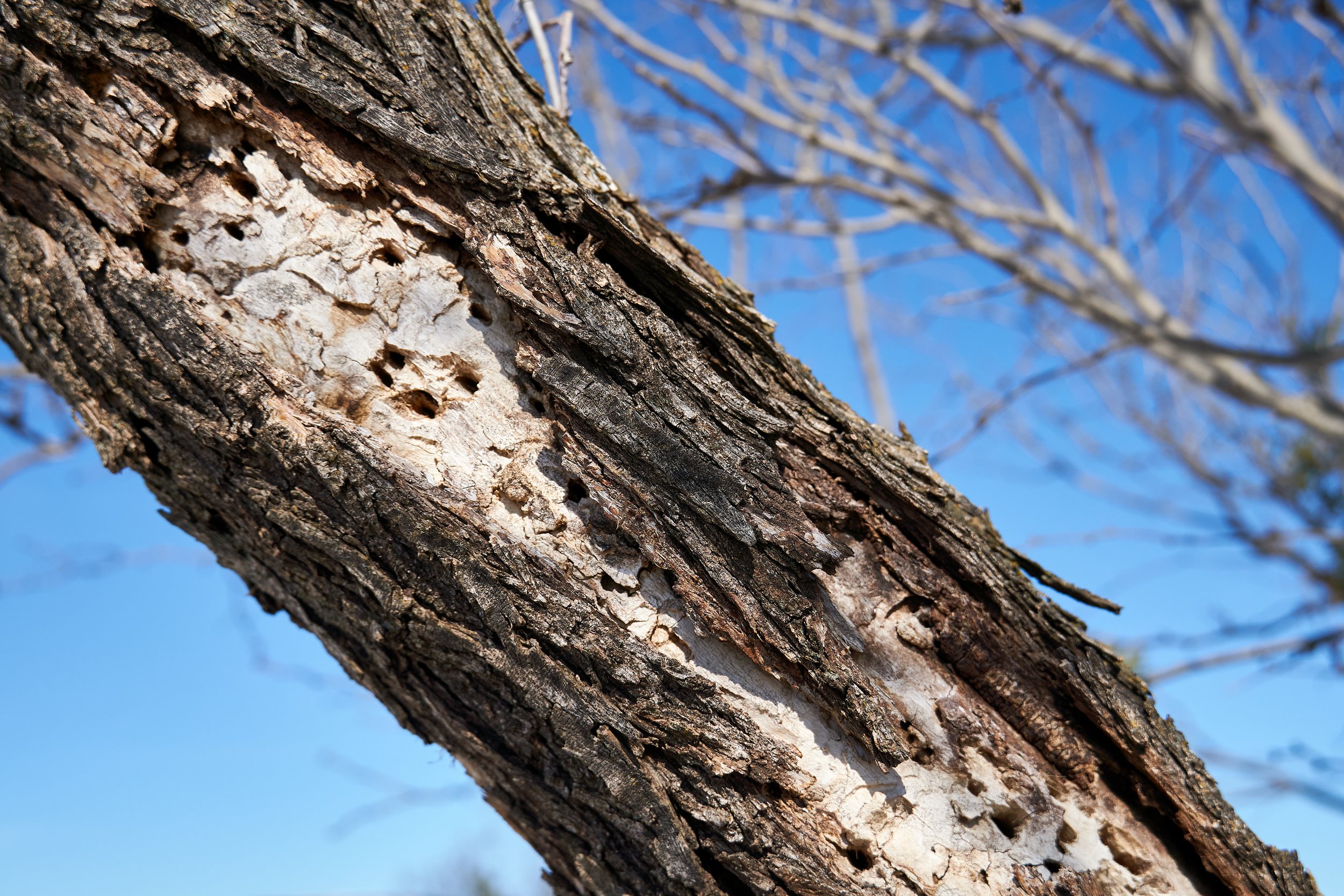
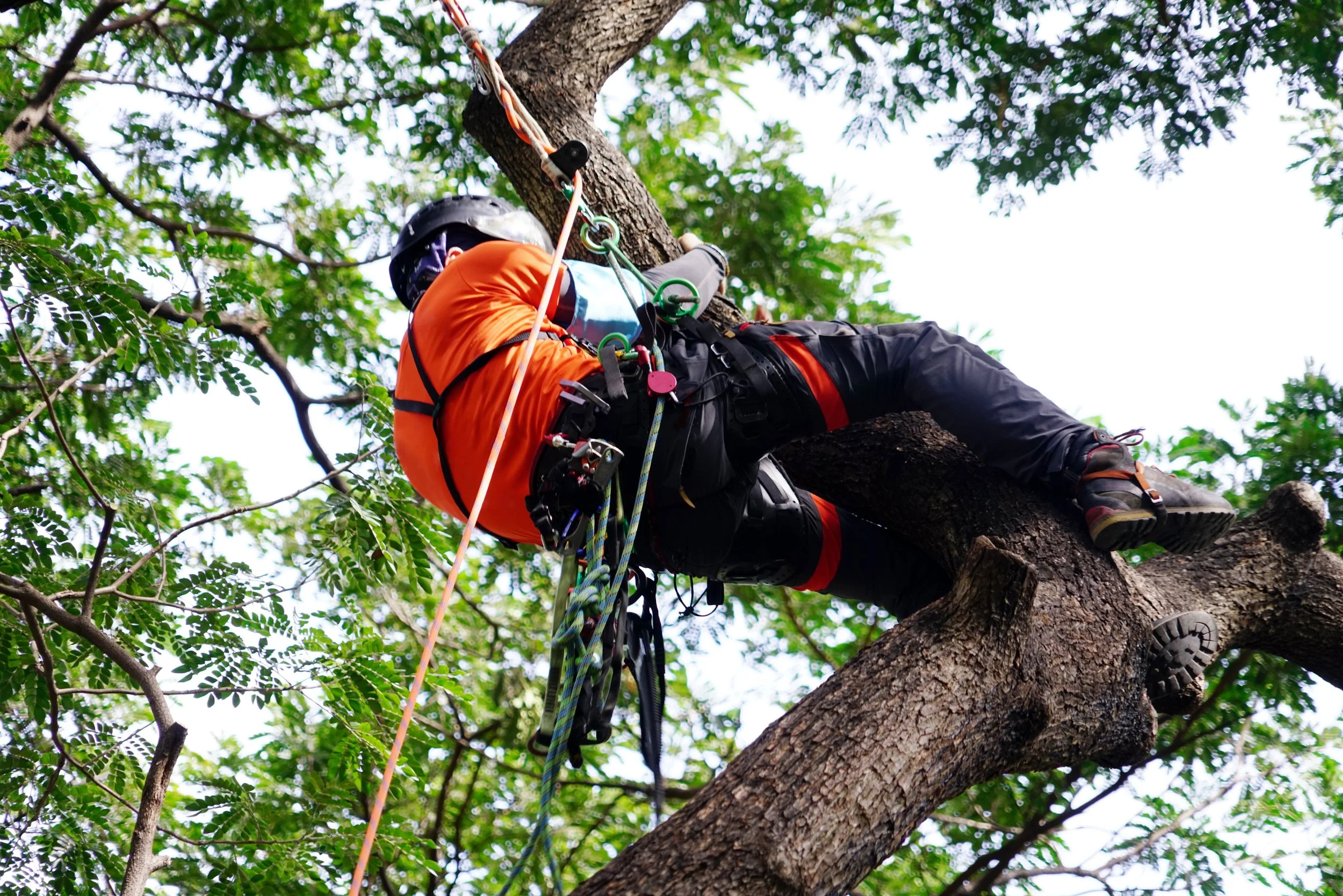
Trees are a precious commodity in urban and suburban areas, so when one needs to be taken down, not only is it particularly noticeable, it may be a sensitive concern for residents. In this article, we’ll go over the reasons why a tree may need to be removed, what sort of equipment professionals use to accomplish the task safely, and the process of taking down a tree cautiously and effectively in a neighborhood setting.
Read More
Oversight and maintenance of the trees found along the street falls under the domain of one of a number of public organizations depending on the particular need, including Metro Water Services (MWS), Nashville Electric Service (NES), and the Nashville Department of Transportation (NDOT). Here, we’ll go over those care situations, as well as how residents can plant new street trees.
Read More
While there are many shapes and sizes of cherry blossom trees, the most popular cultivar among them is the Yoshino cherry blossom—a medium-height tree with a stout crown that, for a few weeks in mid-spring, bursts into bloom with bunches of blushing white flowers. Here, we’ll go over this cultivar’s background, the conditions it thrives in, as well as some suggestions on where you can enjoy this tree’s spectacular display in Nashville this spring.
Read More