Trees and Nashville Wildlife Part 6: Aquatic Animals
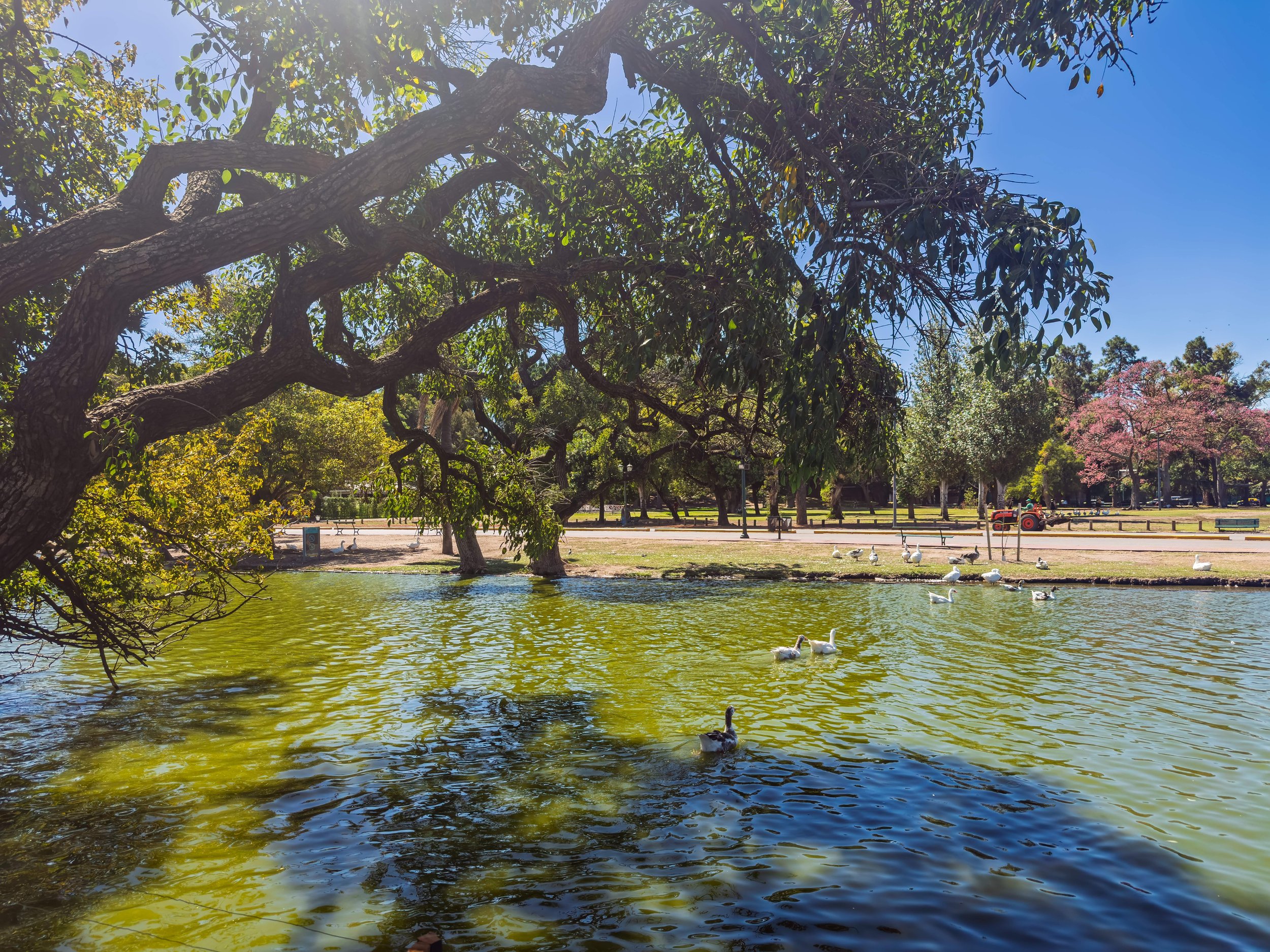
In watery woodland ecosystems, wildlife that inhabit rivers, streams, and lakes have many connections to the trees on the surrounding land. Here, as we continue our series on the fauna of Nashville’s urban tree canopy, we’ll examine how trees provide habitat in many wetland environments for a wide range of aquatic wildlife that make important contributions both below and above the water. Towards the end, we offer some guidance on planting trees on wet properties for wildlife habitat.
Trees and Water Habitats
Big trees play a crucial role in supporting aquatic life and maintaining the health of many of the lakes, rivers, and wetlands across Middle Tennessee. All parts of a tree contribute to aquatic habitats, from the roots to the crown:
Tree roots stabilize riverbanks and lake shores, reducing erosion and holding the shape of waterbodies intact. Roots also reduce the speed of the currents in rivers and creeks, filter things that move through the water, and provide shelter for fish, insects, and amphibians who can rest in the complex, woody spaces that root systems create underwater.
Leafy canopies provide shade in aquatic ecosystems, which affects water temperature and creates cool, oxygen-rich environments for species sensitive to heat. Overhanging branches also slow rainfall and reduce evaporation, helping maintain stable water levels.
Leaves and branches that fall into the water become food and shelter for insects, fish, turtles, and other wildlife. Fallen leaves and woody debris from trees also contribute organic matter that is decomposed into soil on the water’s bed.
Fallen trees offer water ecosystems logs and woody debris that form hiding places, spawning sites, and slow-moving pools for fish and underwater creatures. Deadwood also holds soil in place and helps slow the water current.
A powerful tree canopy helps regulate the local water cycle, retaining water and releasing moisture into the air through transpiration, which can contribute to conditions that favor rainfall. This water recycling system helps prevent depletion of water bodies over time, contributing to the maintenance of both the quantity and quality of water in a given place.
Wildlife in Aquatic Canopy Ecosystems
Aquatic ecosystems are complex networks of various types of animals interacting with each other and with the environmental features of water habitats. Certain water animals are exclusively water-based, like fish, while others move more freely in and out of the water, like some mammals, reptiles, and amphibians. Still others engage at the interface of air and water, like many birds and insects.
Trees And Fish in Nashville
Underwater, fish need cover and shelter, and they find it amidst the stones and woody materials on the water’s bed, and in the deep shelters formed by tree roots. There, they spawn, rest, and hide from predators. Types of fish found in the creeks, streams, rivers, and lakes of Nashville include bass, carp, sturgeon, catfish, bluegill, gar, and trout, among many other species.
Fish feed on aquatic insects, other fish, and invertebrates that share their watery environment. On the other hand, fish are prey for a wide range of birds and mammals, as well as humans: fishing is a major recreational activity enjoyed by many in the Nashville city limits.
What Is the Tennessee State Fish?
Tennessee has two state fish: the official sport fish is the smallmouth bass (Micropterus dolomieu), designated in 2005, due to a Tennessee fisherman holding the world record of the largest smallmouth, at 11 pounds, 15 ounces. The state commercial fish is the channel catfish (Ictalurus punctatus), designated in 1987, which can be found in most Tennessee waterways and in many lakes.
Aquatic Wildlife Other Than Fish
Plankton, including algae and microscopic animals, form the base of the aquatic food web and are found especially in slower-moving waters. Many insect nymphs (juveniles) and larvae live in the open water or at the bottom of water bodies, where they’re either fed on by fish and other larger animals, or they grow to become dragonflies, mayflies, water beetles, and mosquitoes (which are all prey for fish, birds, and other wildlife).
At the bottom of a water habitat, where leaf litter settles on top of the soil and woody materials collect, live the worms, snails, insect larvae, and crayfish that decompose the leaf litter and serve as food for fish, birds, reptiles, and mammals that come across them while hunting in the water.
At the water’s surface, waterfowl like ducks and geese eat snails, fish, frogs, insects, and algae, while eagles hunt waterfowl as well as fish, reptiles, and small mammals. Along Nashville waterways, raccoons, coyotes, opossums, and minks hunt frogs, fish, and crayfish, while river otters hunt similar prey primarily in the water. Bats hunt the plentiful insects that hover around rivers and wet woodlands, where deer browse on riverside plants, including trees like river birch, willow, dogwood, and hackberry.
In terms of ecosystem impact, beavers are a keystone species in many river and wetland environments in North America. Their lodges and dams slow water currents, filter and collect water, and create habitat for other aquatic wildlife. By disrupting the water flow and causing flooding, large areas of land receive moisture that might otherwise simply flow past. Beavers mold the landscape by felling and moving around willow, cottonwood, river birch, and other wetland trees.
Beavers are a strong example of how animals affect their environments, but all animals in the canopy ecosystem impact the trees, soil, and conditions around them to one degree or another.
How Do Trees Benefit from Fish and Aquatic Wildlife?
Fish and aquatic wildlife provide several important ecosystem services that benefit trees and vegetation in wetlands. These impacts help maintain the health and function of the ecosystem as a whole.
Nutrient decomposition: Fish and aquatic organisms help cycle nutrients in wetland ecosystems as they feed, grow, and decompose. These nutrients are then taken up by the trees in and near the water, or brought to trees further inland by birds and mammals.
Insect and pest control: Fish, especially those that feed on insects and larvae, help control populations of aquatic insects that may otherwise damage wetland plants, including trees, such as disease-carrying mosquitoes.
Sediment movement: As fish and other wildlife disturb waterbody floors, sediment gets distributed and mixed into the soil in and around the water, which supports nutrient richness and fertility in the ecosystem.
Floodplains: Wetland wildlife help slow down water movement and promote water retention in wetland areas by altering the structure of their environments. Minor disturbances by fish and other animals, in addition to large engineering projects by beavers, benefit trees that rely on consistent moisture levels, especially during dry periods.
The interactions and exchanges between plants and animals within an environment result in ecosystem services like air and water quality management, stormwater control, and temperature moderation that impact the quality of life across entire regions.
Biodiversity in the Duck River
The Duck River is a 284-mile-long waterway in Middle Tennessee that runs south of Nashville and is the longest river located entirely within the state. Known as the most biologically diverse river in North America, it supports over 150 fish species and 50 freshwater mussel species, some of which are endangered and/or unique to the area. The pygmy madtom, Tennessee dace, and bluemask darter, all fish that call the Duck River home, are some of the rarest freshwater fish in the US.
The Tennessee cave salamander, alligator snapping turtle, and cerulean warbler are other species native to the region. The zebra swallowtail, which is associated with pawpaw trees, can be found in the Duck’s surrounding forest, as can bald eagles, which are regularly seen in the Duck River area.
The Duck's exceptional freshwater habitat supports numerous unusual animals and provides vital public drinking water for several Middle Tennessee communities. However, water withdrawals can strain the river during droughts, raising conservation concerns: low water levels can cause the river to warm more quickly, which can stress cool-water fish.
Managing aquatic wildlife as well as water quality and quantity draws our attention to the forested area along the water, and the trees themselves: the Duck River’s unusually diverse aquatic ecosystem is matched by a varied surrounding forest (we’ll take a look at some of those tree species further on).
Aquatic Wildlife in Nashville’s Urban Canopy
The inhabitants of wetlands and waterbodies across Nashville contribute much to the local ecosystem, both in the water and on the land. Even inland areas of the city are connected to local waterways through the watersheds that direct water flow across our neighborhoods, by the food web relationships from the fish in creeks to the birds that live in the crowns of the canopy, and by the soil that holds it all together.
Learn more about Nashville’s aquatic wildlife at these locations:
Tennessee Wildlife Resources Agency offers a list of fish in Tennessee waters, both native and invasive, as well as guidance on fishing in the state. They also link to the State Wildlife Action Plan, as well as animal well-being resources for injured wildlife.
The American Society of Ichthyologists and Herpetologists (Ichthyology is the study of fish, while herpetology is the study of reptiles and amphibians.)
Planting Wetland Trees for Wildlife in Nashville
Middle Tennessee has many floodplain, bottomland, and wetland forests that contain a variety of moisture-loving tree species. These include:
River birch
Willow
Bald cypress
Willow oak
Cottonwood
Sycamore
Sweetgum
We can look to this list of trees for planting in wet residential yards:
Properties along waterbodies or in wetlands
Lowland properties that accumulate water when it rains
Clay-heavy or poorly-drained soils
Browse NTCC’s tree sale to plant trees that support wildlife habitat in your yard! Every property within the city is part of our wider, shared urban forest that animals of all kinds live within. Find the right tree for your property’s conditions and make meaningful contributions to the landscape by planting trees and caring for the specimens in your yard.
On September 26, 2026, NTCC will be holding a volunteer event to do cleanup work in Shelby Arboretum in the East Nashville neighborhood. Check out this post for more information on the event, or click here to sign up to volunteer!
Join us on October 17th for An Evening Among the Trees, an intimate gathering with NTCC that provides us with an opportunity to connect with you, our supporters, and celebrate Nashville’s tree canopy. RSVP by October 9th. Get details and buy tickets on our events page.
There are more ways to support NTCC’s work in our urban canopy: donate a tree for us to plant, or donate to NTCC to fund our mission-driven work. Sign up to receive our email newsletter, and check out our Linktree for more ways to connect!