
Homeowner Record Keeping for Nashville Trees
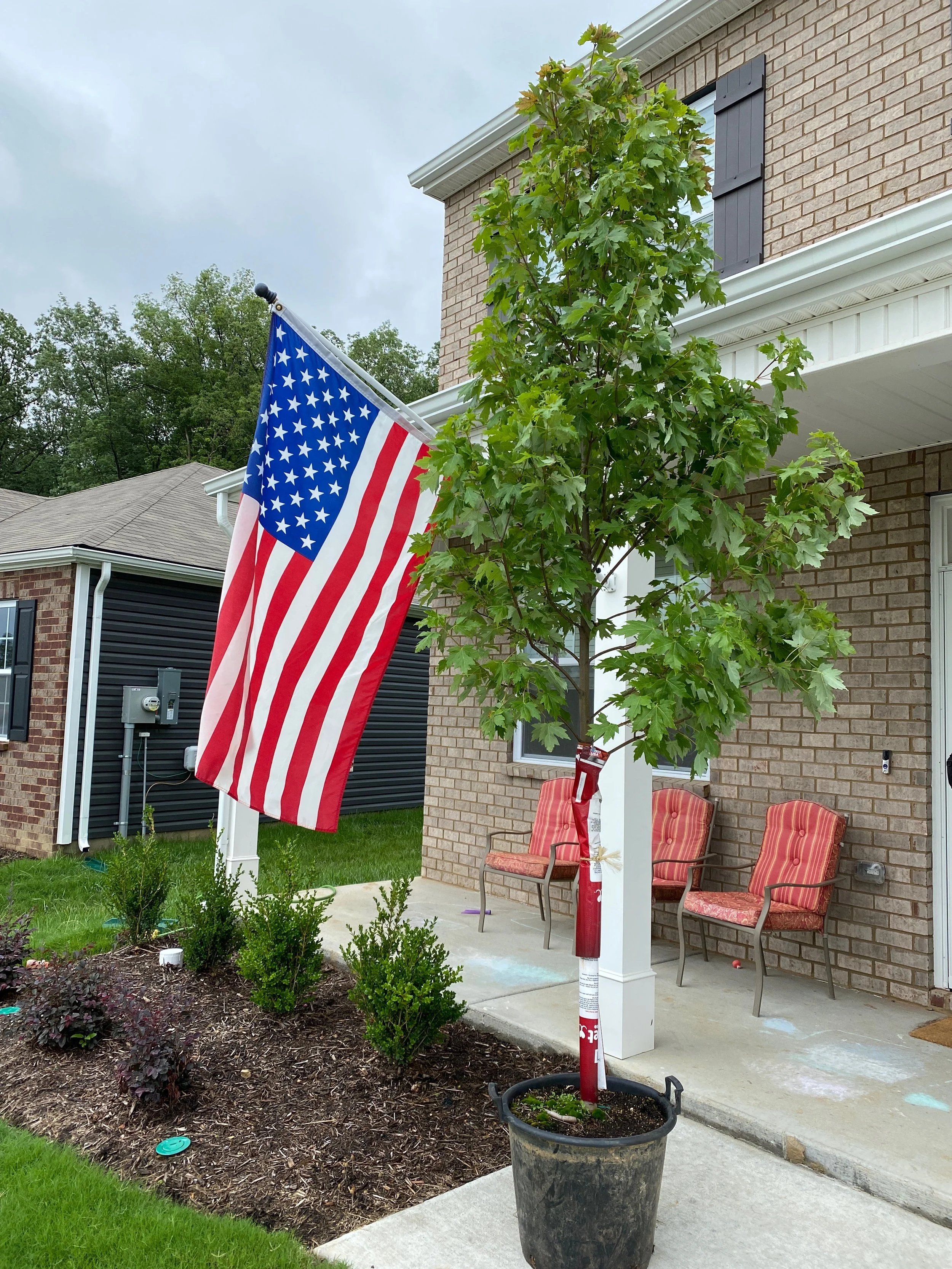
As stewards of the majority of the city’s trees, Nashville residents oversee critical green infrastructure throughout the built environment. To improve their effectiveness, keeping tree records helps homeowners manage their trees over the long-term.
Records enable tree managers to track a specimen’s health over time, identify hazards early, document maintenance and inspections, and make informed decisions about pruning, treatment, or removal. Tree-related documents are also helpful for legal, insurance, or real estate needs that might arise. In this article, we’ll offer guidance on compiling a simple file to support the long-term management of the trees on your residential property.
Record Keeping for Nashville Trees
Keeping a simple file for the trees in your yard is a meaningful way to improve long-term tree care. By doing this, homeowners build a practical, basic skill set as tree managers who can make straightforward tree care decisions with confidence and interact with certified arborists for complex work.
Record-keeping about trees helps us treat the canopy as long-lived, productive infrastructure, much more than just attractive landscaping. Over time, that kind of attentive care can improve the health of the canopy’s trees, reduce unnecessary removals, preserve the mature canopy, and help current and future owners avoid missteps in tree care.
Since most of Nashville’s urban canopy is located on private property, Nashville homeowners are the primary decision-makers in whether trees are present and how they’re maintained. The urban canopy is made up of many individual trees, so the health of the wider ecosystem is linked directly to small decisions made at the home level. What gets measured gets managed, so a simple step towards better tree management by homeowners is to keep a basic tree care log and record file.
Homeowner Tree Records
Tree care is an ongoing activity, so maintaining a file of records and guidelines can be a useful reference in a variety of situations, helping keep care routines aligned with the needs of the trees. Below, we’ll go over what kinds of records to keep and what situations they will be useful for:
Basic information about your trees.
Maintenance records.
Tree emergency contacts.
Homeowners Insurance.
Local rules and laws.
Property valuation and tree appraisal.
Real estate.
Basic Information About Your Trees
A tree file is the place to keep your original purchase receipts for newly planted trees, care instructions that accompanied it, and basic maintenance guidelines for tree care to be sure you’re informed on best practices, whether DIY or when working with a tree care professional. This information can include:
Tree species variety, common and botanical names.
Planting date.
Source nursery or vendor.
Original purchase receipt.
Location map or site plan in relation to home infrastructure (like water or electric utilities).
Property survey with tree locations marked.
Photos over time (with dates).
Preferred care standards and specifications, such as avoiding “topping” and documenting proper pruning standards for a particular species.
Different tree species are on different blooming schedules, so for those who are interested in the naturalist side of landscaping, you can also keep notes on phenology (when the tree species leafs out, flowers, and fruits) and wildlife observations, including which types of birds and pollinators you see.
Tree Maintenance Records
Tree care records are useful in a variety of situations, in particular for DIY tree care guidance and when working with arborists. A tree’s maintenance history might include:
Arborist inspection reports.
Pruning records and schedules.
Root zone protection notes.
Watering or irrigation schedule.
Soil test results.
Fertilization records.
Pest and disease history.
Treatment and application records.
Storm damage reports.
Cable or brace installation records.
Succession or replacement planting plan.
Removal considerations.
These records will be collected over time, so having a designated place to keep them will make them readily available when they are needed in the future.
Tree Emergency Contacts
Keeping a short list of tree-related emergency contacts in this file directs you to the appropriate connection, while some of the other documents in the file may be necessary to provide when dealing with the aftermath of such a situation.
911 is the go-to for true emergencies, like when a tree or heavy tree debris falls onto a house, breaks a power line, or causes injuries. Otherwise, there are different contacts, like Metro or NES, for different situations. Find a full list of tree emergency service contacts in our article, “Summer Storms: How to Find Nashville Emergency Tree Services.”
Homeowners Insurance
Home insurance usually covers the cleanup and removal of fallen trees and debris, as well as associated damage repairs. Having documents related to risk assessments, photos of the tree’s condition before damage occurred, and records about tree maintenance can substantiate insurance claims related to trees (following storm damage, for example) to prove that the results weren’t due to negligence. Learn more in our article, “Homeowners Insurance and Trees.”
Local Tree Rules and Laws
Tree records are useful in relation to various compliance and potential conflict situations:
Property disputes, including boundary and ownership issues, such as cross-boundary roots, branch overhang, and potential damage events.
Utility conflicts due to growth patterns or pruning conflicts.
Permits or city compliance for tree removal (when applicable).
Homeowners Association (HOA) requirements or violations.
Heritage tree designation records.
Hold on to all written communication related to your trees, as these documents might be useful in the future. Nashville Tree Conservation Corps has compiled some of the essentials on Nashville homeowner rights in relation to trees. If you have trees in your yard, print this one-page summary document on Nashville tree policies, which contains the basics to start your tree management file!
Property Valuation and Tree Appraisal
A mature, healthy tree adds to property value! Trees can be valued up to tens of thousands of dollars each, based on quality and replacement considerations. Time is an essential factor here: a decades-old tree is settled in place, producing ecosystem services in proportion to its size. A newly planted tree will take many years to grow and become productive, so a big, established tree gets assigned a higher value. Learn more about valuing trees in our article on tree appraisal.
Real Estate
Mature trees often outlive several ownership transfers, so a well-kept tree file is a way to manage continuity of care. When buying or selling property, tree records serve as disclosure information and can support the property valuation. Transfer notes for future property owners provide clear guidance on how to care for the property’s trees. If there is a historic designation restriction on the tree, this information would be included in the tree’s file.
When homeownership is transferred without transferring information about pruning, treatments, and other care services, each owner effectively starts from scratch in regard to tree maintenance. This can leave trees open to misguided care practices, convenient renovation decisions, or unnecessary removals.
On the other hand, when tree work is documented, tracked, and transferred, continuity can be maintained, and skilled habits can develop. Planting a tree is just a first step: it’s long-term care that is essential to keeping them in place! Having a file of records and references will help any property owner take tree care seriously for the long-term resilience of the property, the canopy, and our city.
Due to the ongoing recovery efforts for this year’s destructive winter storm, the Nashville Tree Conservation Corps’ tree sale is momentarily paused, but we will resume taking orders later in the year for the next planting season, Fall/Winter 2026/27.
In the meantime, you can donate to NTCC to support our work supporting Nashville’s canopy. You can also donate a tree for us to plant in a needy spot somewhere in the city, and sign up to volunteer with us.
Sign up for our email newsletter for regular news and tree care tips, and visit our Linktree for more ways to connect.